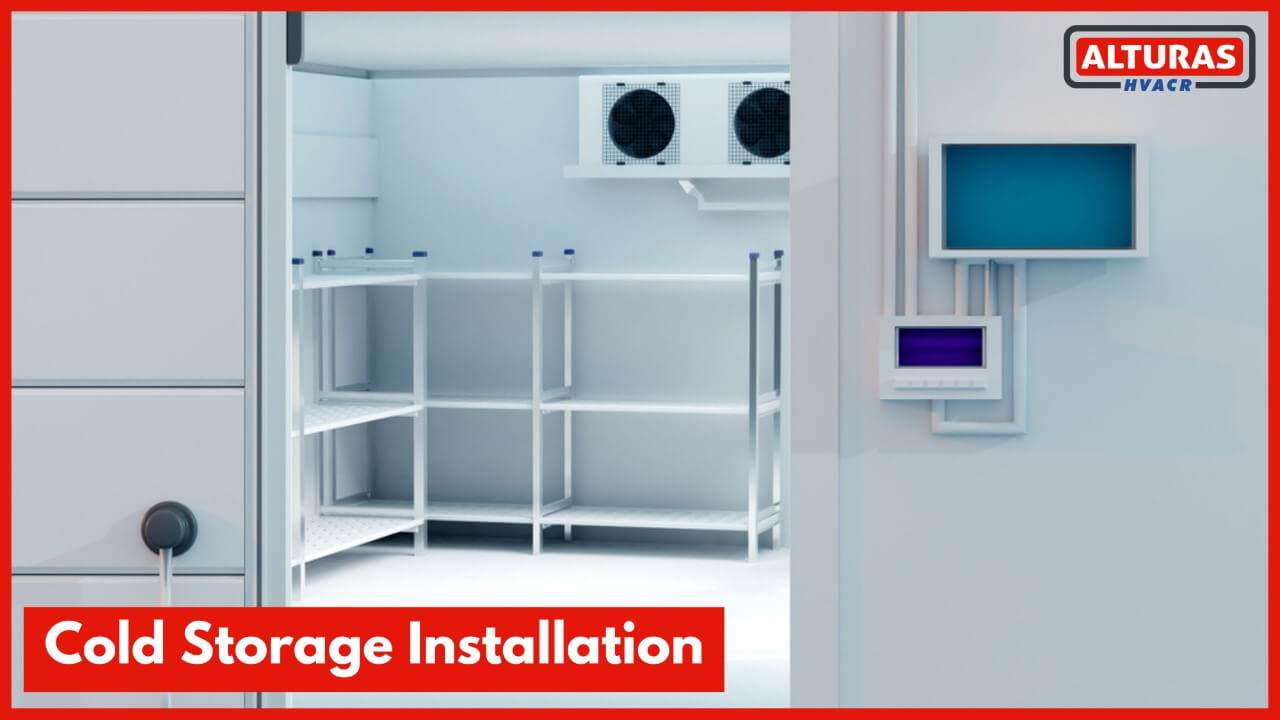
Cold storage plays a crucial role in industries that handle temperature-sensitive products. Whether you operate in food, pharmaceuticals, logistics, or hospitality, choosing the right cold storage installation setup is essential for preventing spoilage, maintaining product quality, and ensuring regulatory compliance.
In this complete guide, we cover what cold storage is, industries that need it, installation considerations, step-by-step installation process, cost breakdown, common mistakes to avoid, and why choosing the right contractor matters.
What is a Cold Storage?
Cold storage is a specialized facility designed to store perishable goods under controlled temperature and humidity levels. By using refrigeration systems, insulation panels, and controlled environments, cold storage significantly slows down microbial activity, enzymatic reactions, and chemical changes — keeping products safe and fresh.
Cold rooms may operate at temperatures ranging from:
- Chilled storage: +2°C to +8°C
- Frozen storage: –18°C and below
- Ultra-low temperature storage: –40°C to –86°C
A properly designed cold storage uses key components like compressors, expansion valves, temperature sensors, and evaporators to maintain stable cooling and preserve sensitive products.
Why Businesses Need Cold Storage

Cold storage has become essential across multiple industries:
Retail Food Industry
Supermarkets and grocery stores store large quantities of perishable goods. Cold rooms help preserve fruits, vegetables, meats, dairy products, and frozen foods for extended periods.
Pharmaceutical & Healthcare Industry
There are several benefits of cold storage in the pharmaceutical and healthcare industry. Some pharmaceutical drugs, medicines, and blood samples are temperature-sensitive and require proper storage. Cold chain storage provides a reliable mechanism to maintain the integrity of the drug substances and products.
With the ever-evolving advancement in the Healthcare industry, the field of transplant and surgeries are also developing. Prior to transplant, an organ needs to be stored and transported at specific cold temperatures to retain its utility. Cold storage has made it possible for such things to be transported across long distances. They prove to be a lifesaver in the healthcare industry.
Hospitality Industry
Cold storages are mandatory equipment for the hospitality industry. The food requirements of hotels and restaurants are huge on daily basis. They have to cook and serve a considerable number of customers throughout the day. There are several food ingredients that can not be consumed all at once and have to be stored for later usage.
Logistics, FMCG & Warehousing
Cold storage supports continuous supply chains by ensuring products remain safe during:
- Storage
- Transportation
- Export
- Distribution
Cold-chain logistics is a critical backbone of modern distribution networks.
Types of Cold Storage Rooms
To help you choose the right setup, here are common types:
- Modular cold rooms – flexible, scalable, easy to install
- Walk-in chillers & freezers – for restaurants, supermarkets, and warehouses
- Blast chillers & blast freezers – for rapid cooling
- Ultra-low temperature cold rooms – pharmaceuticals, labs, R&D
- Controlled atmosphere cold rooms – fruits, vegetables & long-term storage
Cold Storage Installation Considerations
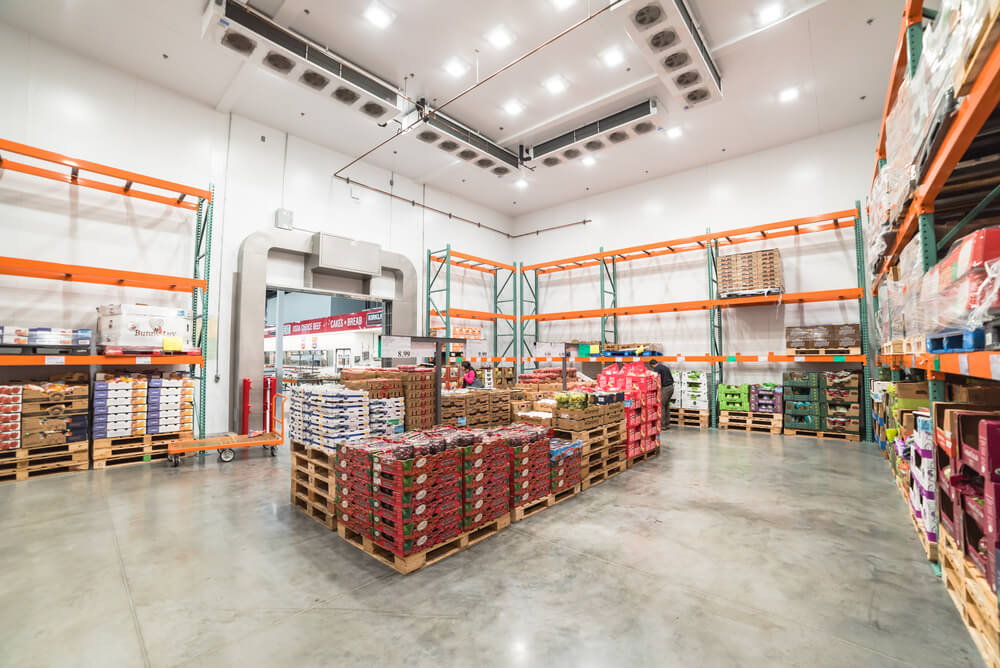
Before installation, evaluate these factors to avoid costly modifications later.
1. Location Selection
Your cold storage should be placed conveniently based on your operations:
- Fisheries typically build them near the shore
- Supermarkets install cold rooms behind display areas
- Pharma facilities install them close to labs and emergency storage zones
If you don’t want multiple levels, plan to maximize vertical space using adjustable shelving.
2. Surface & Flooring Requirements
The construction area must be:
- Levelled
- Clean
- Structurally strong
After leveling, the evaporator drainage line and insulated floor must be installed before wall panels.
3. Storage Size & Purpose
Define:
- Room size
- Product type
- Temperature requirements
- Daily usage frequency
- Entry/exit traffic
This helps determine insulation thickness, refrigeration capacity, and zoning requirements.
4. Door Size & Door Split
Every time the door opens, cold air escapes.
Choose a door size that balances:
- Operational convenience
- Energy efficiency
- Quick access
For better performance, consider:
- Split doors
- Sliding doors
- Automatic closing systems
- Air curtains or strip curtains
5. Zoning Requirements
If you store multiple items at different temperatures, consider zoning by using:
- Separate insulated rooms
- PVC strip curtains
- Dual-temperature chambers
Supermarkets often use curtains between customer areas and freezer rooms.
6. Panels Installation
- Floor panels installed first
- Then wall panels fixed on floor angles
- Ceiling panels installed on top
High-quality PUF/PIR insulated panels ensure maximum thermal efficiency.
7. Door Installation
Insulated doors must fit precisely to prevent cooling loss. Tight seals and proper alignment are essential for energy efficiency.
8. Electrical & Lighting Setup
- Install LED lights with vapor-proof fittings
- Ensure proper marking for electrical points
- Add power backup systems
- Install alarms and monitoring sensors
Cold Storage Installation Process
1. Preparation & Placement
- Choose final location
- Ensure proper leveling
- Confirm drainage routes
2. Internal Component Installation
- Install shelving
- Check vents and access ports
- Add temperature sensors
3. Electrical & Alarm Connections
- Connect temperature alarm
- High/low-temp warnings
- Backup power system
- Connect power supply
4. Testing & Commissioning
- Run cooling cycle
- Measure temperature drop time
- Check door seals
- Verify humidity control
- Inspect for leaks
Common Cold Storage Mistakes to Avoid
Avoid the following issues to prevent high repair/replacement costs:
- Choosing undersized refrigeration units
- Poor-quality insulation panels
- Improper floor leveling causing drainage issues
- Oversized door openings
- No zoning for different product types
- Weak ventilation or poor air circulation
- Lack of monitoring sensors
- Ignoring backup power requirements
Cold Storage Compliance & Safety Requirements
Depending on industry, compliance may be needed for:
Food Industry
- HACCP Guidelines
- ISO 22000
- FDA Food Safety Modernization Act (FSMA)
Pharmaceutical Industry
- WHO Good Storage Practices
- USP <1079> Good Storage & Distribution
- GDP (Good Distribution Practices)
- Cold-chain validation
Meeting compliance standards increases trust and reduces legal risks.
Cold Storage Installation Cost Breakdown
Costs depend on:
- Size & capacity (small, medium, large)
- Temperature requirements
- Type of refrigeration system
- Type of insulation panels
- Flooring type
- Door type (swing/sliding/automatic)
- Additional features (racking, sensors, alarms, automation)
Approximate Cost Ranges
| Cold Room Size | Temperature | Approx Cost (USD Estimate) |
|---|---|---|
| Small (8×8 ft – 10×10 ft) | Chiller / Freezer | $6,000 – $15,000 |
| Medium (15×15 ft – 20×20 ft) | Chiller / Freezer | $15,000 – $35,000 |
| Large (Warehouses / Industrial) | Multi-zone | $40,000 – $250,000+ |
Cold Storage Maintenance Tips
- Regular cleaning schedule
- Inspect door seals
- Defrost evaporators
- Monitor temperature logs
- Check refrigerant levels
- Inspect panel joints
- Ensure drainage is clear
- Service condenser & fans regularly
Proper maintenance increases lifespan and reduces electricity costs.
Why Choose Alturas Contractors for Cold Storage Installation in Los Angeles?
Alturas Contractors provides professional cold storage installation in Los Angeles for food processing plants, supermarkets, warehouses, pharmaceutical companies, logistics centers, and hospitality businesses.
Why Businesses Trust Alturas:
Customer-First Approach
Fast project delivery, high satisfaction, and premium service.
Experienced Cold Storage Specialists
We design and install systems tailored to your business needs.
High-Quality, Energy-Efficient Equipment
We install durable and efficient refrigeration systems that reduce operational costs.
Customized Solutions at Competitive Prices
Transparent pricing, custom-built layouts, and budget-friendly solutions.
We also provide repair, maintenance, and cold room upgrades to ensure long-term performance.
