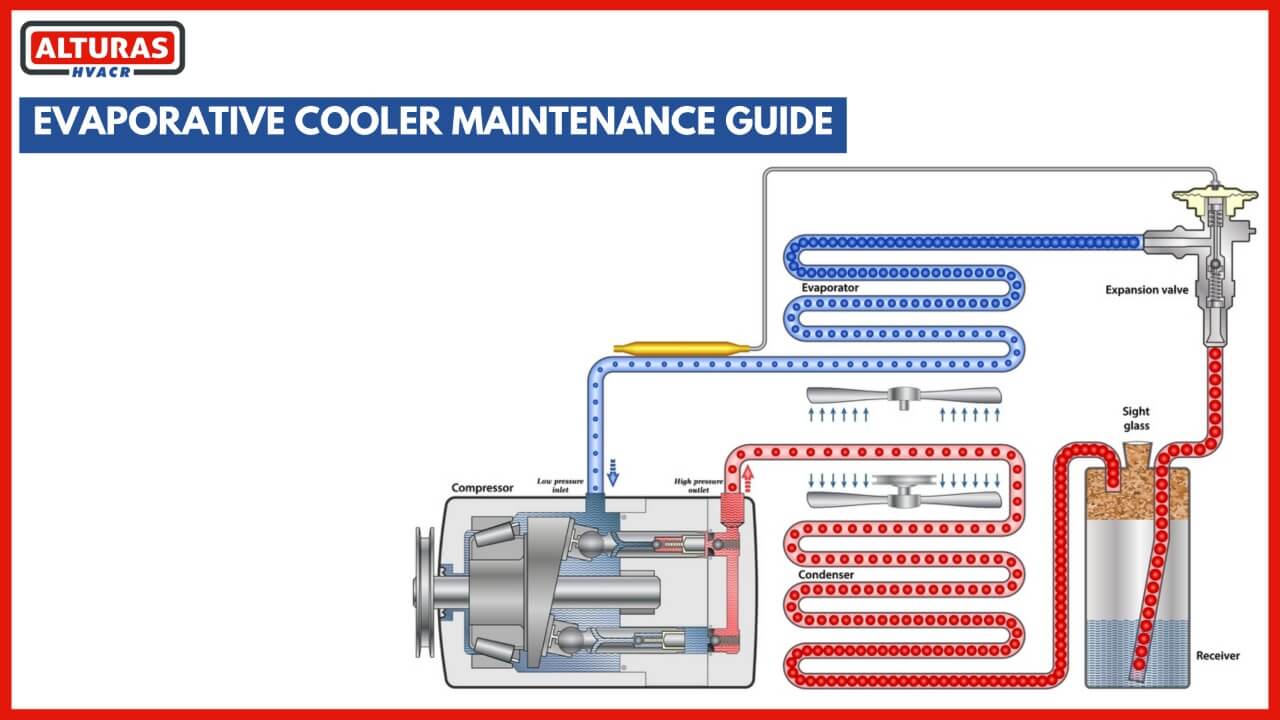
Routine maintenance is essential to keep any evaporative (swamp) cooler operating at peak efficiency. When properly maintained, an evaporative cooler delivers powerful, energy‑efficient cooling while improving indoor air quality. Because these systems use water instead of refrigerant, regular draining and cleaning are critical to prevent mold, mineral buildup, and performance issues.
This evaporative cooler maintenance checklist is designed to help homeowners and businesses maintain their units efficiently, extend system life, and ensure consistent cooling performance—especially in dry climates like Los Angeles, where mineral buildup can occur faster.
Evaporative Cooler Maintenance Checklist (Quick View)
Use this quick‑reference checklist for routine inspections and servicing:
- ☐ Remove winter covers and insulation
- ☐ Inspect and replace cooling pads if needed
- ☐ Drain and clean the water reservoir
- ☐ Remove calcium and mineral deposits
- ☐ Check float valve operation
- ☐ Inspect water supply lines for leaks
- ☐ Examine motor, belt, and bearings
- ☐ Lubricate moving parts
- ☐ Test fan operation and airflow
- ☐ Ensure even water distribution on pads
- ☐ Confirm correct cooling temperature
Evaporative Cooler Maintenance Schedule
| Maintenance Task | Recommended Frequency |
|---|---|
| Drain water tank | Weekly |
| Clean cooling pads | Monthly |
| Replace pads | Once per season or as needed |
| Inspect belt & motor | Every 2–3 months |
| Remove mineral buildup | Monthly |
| Full system inspection | Start & end of cooling season |
Step-By-Step Evaporative Cooler Maintenance Checklist
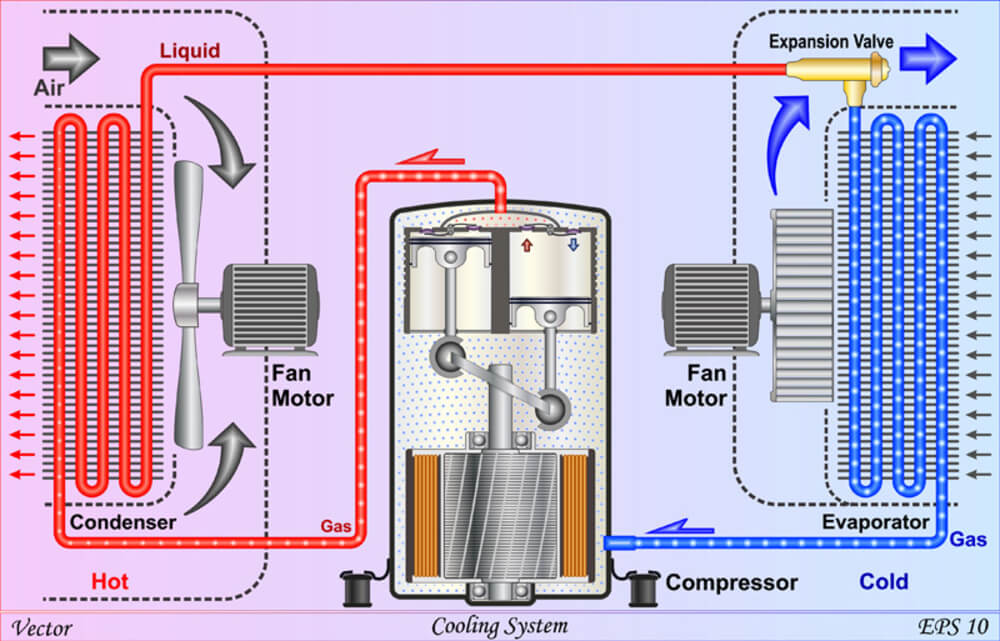
Follow these steps every two to three months for optimal performance:
1. Remove Winter Covers and Insulation
Remove protective winter covers and any insulating materials such as newspapers or foam inserts from inside the unit.
2. Inspect and Replace Cooling Pads
Cooling pads are one of the most critical components of an evaporative cooler.
- Replace pads that are damaged, brittle, or clogged
- Clean pad frames before installing new pads
- Remove mineral deposits using a wire brush and mild soap
Regular pad replacement improves airflow and cooling efficiency.
Clean or Replace Evaporative Cooler Pads
Over time, evaporative cooler pads accumulate dust and minerals that reduce cooling performance. If pads show signs of wear or mineral crusting, replacement is recommended. Light mineral buildup can be removed using warm water and mild detergent.
For best results, filters should be washed once or twice a week during heavy use.
Regularly Clean the Water Tank
The water reservoir supplies moisture to the cooling pads through a pump system. If left uncleaned:
- Air quality can decrease
- Bacteria and mold may develop
- Cooling efficiency drops
Drain the tank completely and rinse thoroughly using mild soapy water. Standing water can attract mosquitoes, bacteria, and other harmful microorganisms, making routine cleaning essential.
Remove Calcium and Mineral Deposits
A common question is: How do you remove calcium deposits from evaporative cooler pads?
The most effective method is prevention through regular cleaning. Mineral deposits can be removed using a 50/50 mixture of white vinegar and water. Clean the water tank at least once a month to prevent mineral buildup.
Vinegar is a natural, non‑toxic solution that effectively dissolves minerals without damaging components.
Examine Electrical Components and Motor Belt
Inspect all electrical wiring and switches for:
- Cracked insulation
- Loose connections
- Signs of wear or corrosion
Lubricate motor bearings and moving parts lightly to ensure smooth operation. Check the fan belt tension—proper tension allows about one inch of deflection when pressed at the midpoint. Tighten motor mounts if necessary.
Also Read: Common Types of Evaporative Coolers
Weekly Evaporative Cooler Maintenance
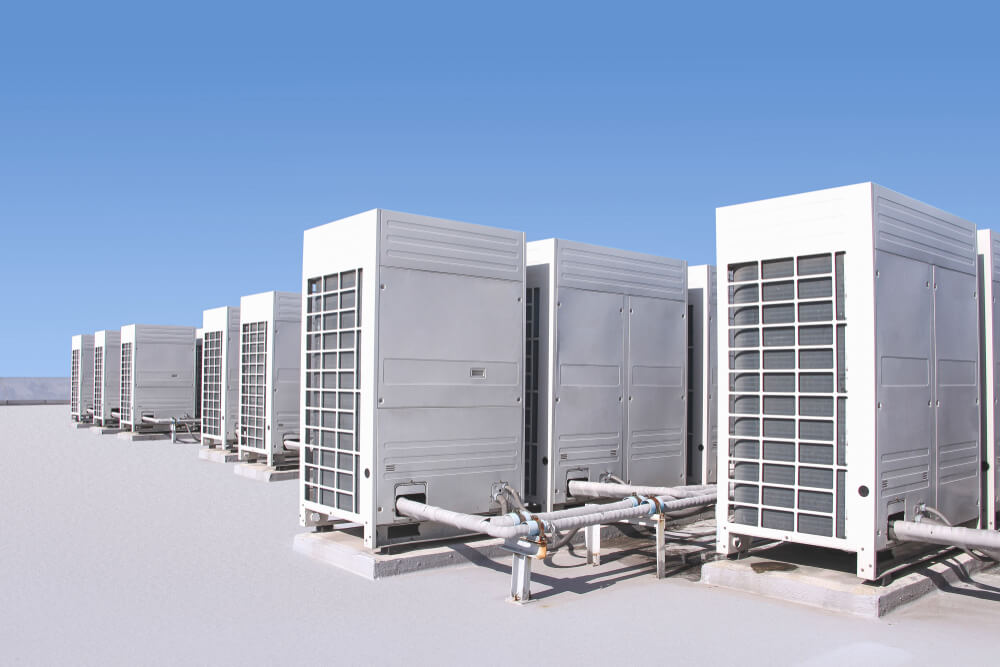
Because evaporative coolers are not sealed systems, circulating water can become contaminated quickly.
Weekly maintenance steps:
- Turn off the unit
- Drain the water reservoir completely
- Allow the fan to run briefly to dry pads
- Refill with fresh water as needed
Standalone units require more frequent water checks, while rooftop units connected to a continuous water supply typically flush automatically.
Monthly Evaporative Cooler Maintenance
Even with proper airflow, mold and mildew can develop during peak summer months. Once a month:
- Remove and dry the filter pads
- Saturate pads with a vinegar and water solution
- Allow pads to dry completely
- Clean the filter compartment and water reservoir with soap and water
Vinegar works as a natural disinfectant and deodorizer without producing harmful fumes.
Conclusion
Regular evaporative cooler maintenance is the key to ensuring long‑lasting, energy‑efficient cooling. By following this evaporative cooler maintenance checklist, you can prevent mold growth, reduce mineral buildup, and maintain consistent airflow and cooling performance.
Inspect cooling pads, water pumps, belts, motors, and water quality regularly. Proper care of the pad frame, water supply, and reservoir will extend the life of your system and ensure reliable, eco‑friendly cooling throughout the season. With routine cleaning and inspections, your evaporative cooler will continue to perform at its best for many years.
Common FAQs about Swamp Cooler Maintenance Checklist
How to clean calcium from a swamp cooler?
The best cleaner is a simple mix of white vinegar and water. It would help if you clean the water pan reservoir at the bottom of the cooling unit at least once a month throughout the season to prevent minerals from building up inside.
How to clean evaporative cooler pads?
If your cooling pads are intact and show no signs of mold or mildew, you can clean swamp cooler pads instead of replacing them. To do this, remove the pad and use a vacuum cleaner to remove loose debris. Then place the pads on the ground outside and hose them off with clean water. Be sure to clean both sides.
How often should evaporative cooling be serviced?
No matter what type of evaporative pads your system has, it is important to clean them at least once a month. Clean the evaporative pads at least once a month. If you don’t clean them more often, they can cause bad smells.
Do evaporative coolers need cleaning?
Even if your system seems to be working just fine, dirt and dust have been accumulating within the unit and ductwork that needs cleaning. Dirty evaporative coolers are not just bad for your health, but in some cases, a unit that is extremely clogged up can cause a house fire.
Can I run vinegar through my swamp cooler?
Add a cup of vinegar to the cooler pan and let the vinegar cycle through the system for up to an hour. This will eliminate odors, mold, mildew and some corrosion, calcium deposits and other types of build-up. Repeat one to two times a season or as needed.
Do evaporative coolers cause mold?
However, evaporative coolers can cause an increase in humidity levels, which can lead to mold growth if the humidity is not properly managed. To prevent mold growth, it is important to keep the humidity levels in the home below 50%.
How often to change swamp cooler pads?
These pads usually get hard water mineral buildup over time. So it’s important to clean them every year and replace them every 3-5 years depending on how hard your water is.
