
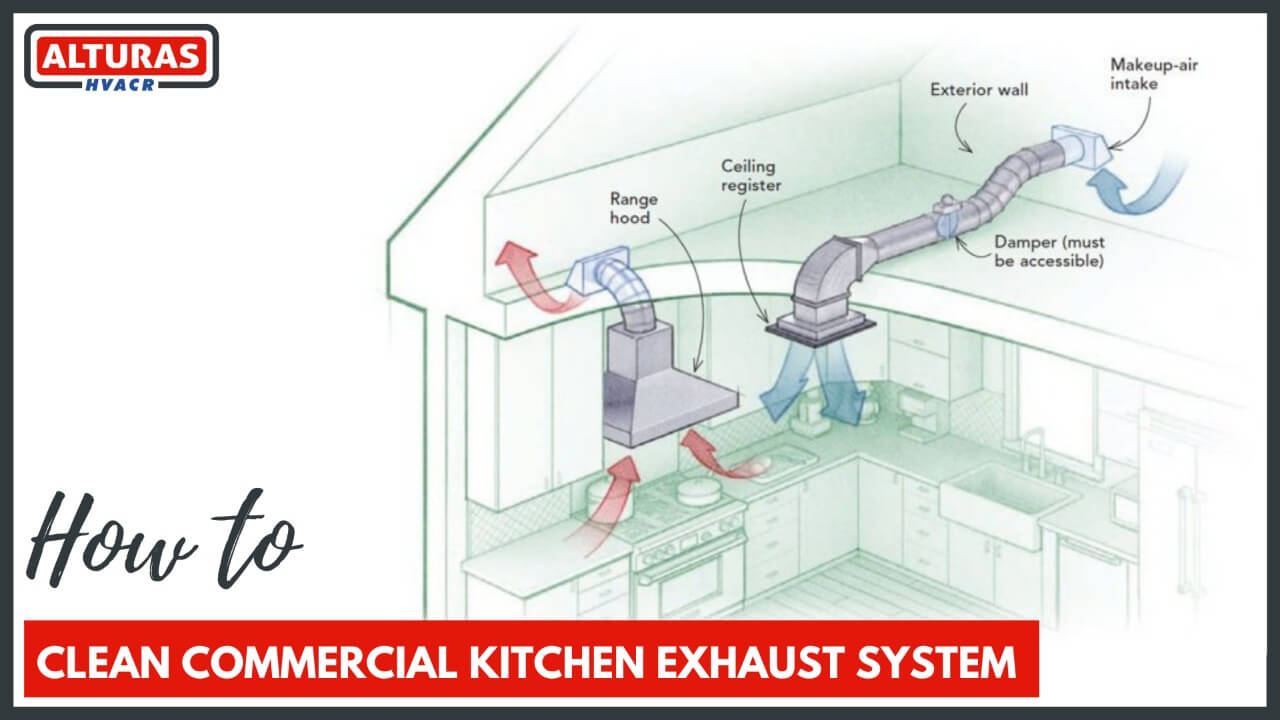
Commercial kitchens, restaurants, and industrial facilities rely heavily on exhaust and ventilation systems to maintain safe indoor air quality. However, many establishments overlook routine kitchen exhaust system cleaning—leading to grease buildup, airflow restriction, equipment failure, and increased fire hazards. Because exhaust systems operate continuously, grease accumulation inside the ducts, hoods, and fans places significant strain on motors and bearings, often resulting in premature failure.
To maintain a clean, compliant, and productive commercial kitchen, routine kitchen exhaust system cleaning is essential. It extends equipment lifespan, ensures fire safety, and supports a healthy cooking environment.
What Is Kitchen Exhaust System Cleaning?
Kitchen exhaust system cleaning involves the removal of accumulated grease, debris, and contaminants from the exhaust hood, filters, fan, and ductwork. It’s a mandatory requirement for restaurants and commercial cooking facilities under NFPA 96 (Standard for Ventilation Control and Fire Protection of Commercial Cooking Operations).
This process enhances:
- Fire prevention
- Air quality
- Equipment efficiency
- Hygiene and odor control
- Compliance with local codes
Benefits of Regular Commercial Kitchen Exhaust Cleaning
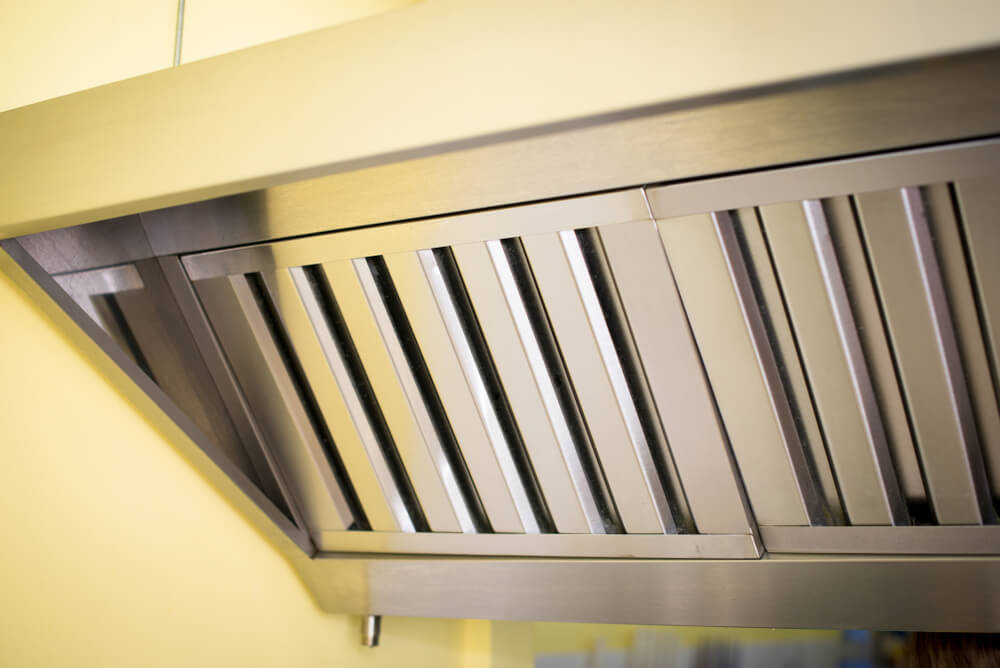
Routine exhaust hood cleaning provides essential advantages:
- Prevents grease fires caused by accumulated residues
- Ensures NFPA 96 and local fire code compliance
- Enhances airflow efficiency and system performance
- Reduces energy consumption
- Protects fan motors and extends lifespan
- Improves indoor air quality
- Eliminates odors and grease contamination
- Supports a cleaner, more hygienic kitchen environment
- Boosts customer satisfaction—no one wants to dine in a smoky or smelly space
How to Clean Commercial Kitchen Exhaust System
While the exterior hood appearance matters, the inner components of the system—particularly the fan, ducts, and filters—require special attention. Below is a detailed guide for routine maintenance.
Easy Kitchen Exhaust System Cleaning Checklist
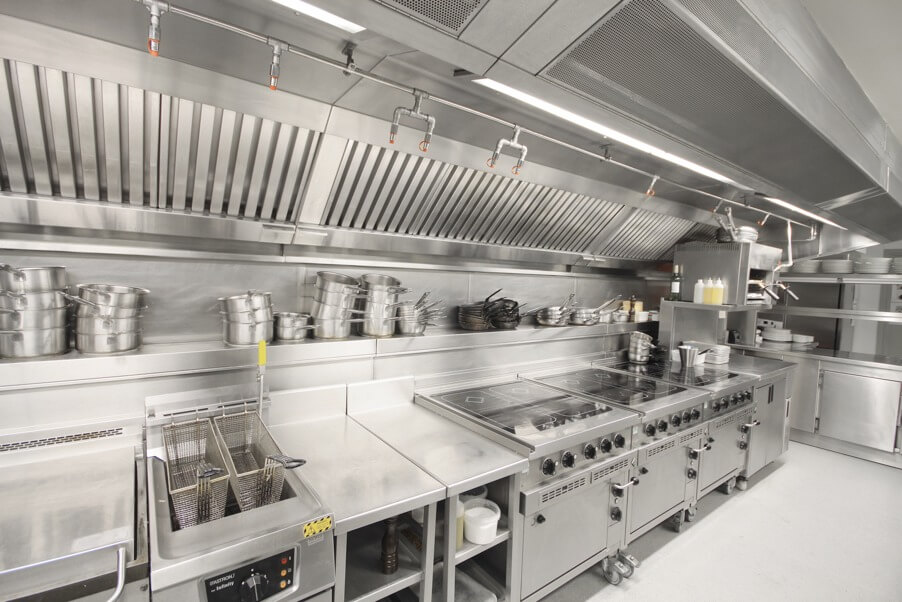
1. Turn Off the Power Supply
Before cleaning, switch off the system’s power to eliminate electrical hazards. This ensures safe cleaning and prevents accidental fan movement or equipment vibration.
2. Cover Surrounding Equipment
Protect appliances and surfaces by covering them with plastic sheets. Use funnels or channels to direct greasy runoff into containers.
3. Use a Vacuum
A vacuum with a brush attachment helps remove loose debris, dust, and allergens from vents and fan components.
4. Clean and Remove Filters
Dirty grease filters disrupt airflow and cause grease buildup.
Steps:
- Remove filters with gloves
- Soak in a hot water + dish soap + baking soda solution
- Scrub using a non-abrasive brush
- Rinse and allow to dry completely
5. Apply Degreaser
Use a commercial-grade degreaser to clean fan blades, inner hood surfaces, and surrounding areas. Allow the degreaser to dissolve grease before wiping clean.
6. Check Fan Blade Movement
Blades should rotate freely without friction. If stiff or noisy, lubrication may be required.
7. Clean the Exhaust Fan
- Remove the fan (if accessible)
- Degrease the assembly using approved chemicals
- Pressure wash thoroughly
- Replace worn fan belts if necessary
8. Clean the Hood Interior
Scrub hood surfaces manually, apply a degreasing chemical, and use hot water pressure washing to eliminate remaining grease.
9. Reinstall Filters
Once cleaned and dried, replace the filters securely.
10. Verify Airflow Performance
Test the system to ensure proper airflow. Smooth, unobstructed ventilation indicates a successful cleaning.
Related: Importance of a Restaurant Ventilation System
Professional Kitchen Exhaust Cleaning Process
For deeper and NFPA-compliant cleaning, professionals follow a more advanced method:
- Initial System Inspection
Evaluating grease levels, airflow quality, duct access, and potential hazards. - Plastic Sheeting & Containment Setup
Protecting kitchen surfaces and controlling runoff. - Hood and Filter Degreasing
Using high-strength commercial degreasers. - Exhaust Fan Removal & Disassembly
Removing fan blades, housing, and belts for thorough cleaning. - Grease Duct Cleaning
Rotary brushing + hot water pressure washing to clean ducts from hood to roof. - Fan Belt & Motor Check
Identifying wear, imbalance, or mechanical failure risks. - Fire Suppression System Check (Optional)
Ensuring hood fire suppression is unobstructed. - Final Rinse & System Polishing
Restoring the hood’s exterior finish. - Before/After Compliance Report
Required by many fire inspectors for NFPA 96 documentation.
This level of professional cleaning is essential for restaurants, hotels, cafeterias, and any commercial kitchen.
Kitchen Exhaust Cleaning Requirements (NFPA 96)
NFPA 96 mandates routine cleaning intervals based on the level of cooking activity.
Recommended Cleaning Frequency
| Kitchen Type | Cleaning Frequency | NFPA 96 Requirement |
|---|---|---|
| Solid fuel cooking | Monthly | Required |
| High-volume commercial kitchens (wok, charbroilers, 24/7 operations) | Quarterly | Required |
| Moderate-volume kitchens | Semi-Annually | Required |
| Low-volume kitchens (churches, seasonal operations) | Annually | Recommended |
How Often Should You Clean a Kitchen Exhaust Fan?
- Monthly → Solid-fuel cooking
- Quarterly → High-volume restaurants
- Semi-Annually → Moderate-use kitchens
- Annually → Low-volume kitchens
If your exhaust fan is noisy, slow, or emitting smoke/odors, cleaning may be required sooner.
Why Professional Cleaning Matters
Commercial exhaust fans are heavy, greasy, and difficult to access. Only trained HVAC and hood cleaning professionals can properly:
- remove the exhaust fan
- access deep ductwork
- use certified chemicals
- issue NFPA 96 compliance reports
- prevent damage to expensive equipment
Working with a Los Angeles HVAC Company or certified hood cleaning provider ensures long-lasting safety and performance.
Common FAQs About Kitchen Exhaust System Cleaning
1. How to clean a kitchen exhaust fan without removing it?
Turn off power → wipe exterior → vacuum debris → spray degreaser → wipe clean.
2. How do you clean kitchen vent ducts?
Vacuum loose debris → scrub ducts with a long-handled brush → apply degreaser → rinse → reinstall vent covers.
3. What is the best product to clean an exhaust system?
Commercial kitchen degreasers or a hot water + dish soap solution work best. Always check compatibility.
4. How much does professional kitchen exhaust cleaning cost?
Costs vary by system size but typically range from $150 – $750, depending on hood length and duct complexity.
5. How long does exhaust cleaning take?
Usually 2–4 hours, depending on kitchen size and grease levels.
6. What happens if you don’t clean your exhaust system?
Expect reduced airflow, foul odors, breakdowns, fire hazards, and potential fire code violations.
