Request Service
How to Choose the Right HVAC System for Restaurants in Los Angeles?
Below are some factors to consider while choosing the right HVAC system for Restaurants and commercial Kitchens in Los Angeles:
- AFUE rating
- The size of your restaurant and the number of rooms that are there
- The number of customers that can be incorporated into your restaurant
- Your air quality concerns for the Restaurant
- The fuel you are using whether it be electric, gas, or oil
- Your Restaurant HVAC system installation budget
- Advanced features you prefer such as zoning, remote control, etc.
- Available warranties from Manufacturers
Why Restaurant HVAC Matters
-
Maintains comfortable temperatures in dining and kitchen areas
-
Eliminates smoke, grease, odors, and heat from cooking
-
Helps meet health, safety, and ventilation regulations
-
Supports better indoor air quality for customers and staff
-
Enhances the overall dining experience
-
Reduces the risk of contaminants spreading throughout the building
Essential HVAC Services for Restaurants
When planning HVAC solutions for a restaurant, these core factors must be addressed:
1. Proper Ventilation
Restaurant kitchens produce heat, smoke, grease, and strong odors. Effective ventilation ensures clean air, improves comfort, and prevents fumes from spreading to the dining area. Key components include:
2. Energy Efficiency
Restaurants consume large amounts of energy daily. Installing energy-efficient HVAC systems can significantly reduce operating costs and environmental impact. Efficient systems also maintain consistent performance during peak hours.
3. Sound Control
Loud HVAC units can disturb guests and affect the dining atmosphere. Choosing quiet equipment, properly designed ductwork, and sound-reducing diffusers helps maintain a peaceful environment.
Recommended HVAC Components for Restaurants
Whether you need restaurant HVAC repair, restaurant HVAC installation, or complete restaurant HVAC systems, choosing the right components is essential for performance, safety, and comfort. A well-planned restaurant HVAC design ensures proper airflow, temperature control, and indoor air quality. Regular restaurant HVAC service also helps keep everything running efficiently.
Exhaust Hoods
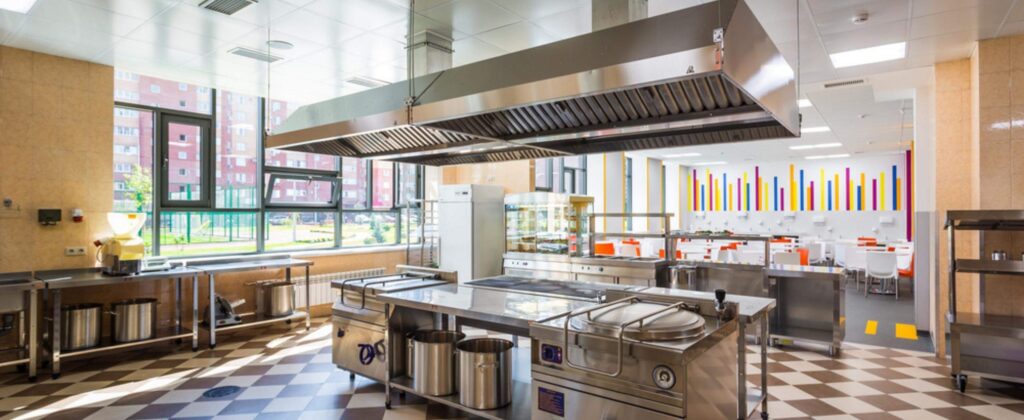
Exhaust hoods are critical parts of any restaurant HVAC system. They remove smoke, grease, steam, and excess heat from cooking appliances—maintaining a safe, clean, and comfortable kitchen environment. Properly designed systems support both ventilation and efficient restaurant HVAC operation.
Dedicated Outdoor Air System (DOAS) Units
DOAS units supply fresh air to balance what’s removed by exhaust hoods. They maintain proper air pressure, improve exhaust performance, and prevent fumes from entering dining areas. These systems play an important role in overall restaurant HVAC design and efficiency, whether during new installation or ongoing service.
Advanced HVAC Controls
Smart HVAC controls enhance temperature, humidity, and airflow management across different restaurant zones. They allow scheduling, real-time monitoring, and early detection of performance issues—reducing downtime and energy waste. These controls are essential for restaurants relying on optimized HVAC systems and can be included during restaurant HVAC installation or upgrades.
Commercial Refrigeration Systems
Restaurants depend heavily on refrigeration for food safety and storage. Key equipment includes:
These systems must integrate well with your restaurant HVAC setup to maintain proper temperature, performance, and energy efficiency. Regular restaurant HVAC service and maintenance help ensure your refrigeration and HVAC systems work seamlessly together.
Why Choose us for Restaurant HVAC in Los Angeles?
-
Experience in restaurant HVAC systems and commercial kitchens
-
Expertise in HVAC installation, repair, and design for restaurants
-
Ensures proper ventilation, air balance, and indoor air quality
-
Fast response and reliable restaurant HVAC service in Los Angeles
-
Solutions tailored to your kitchen layout and cooking load
-
Energy-efficient systems that reduce long-term operating costs