A reliable commercial refrigeration maintenance checklist is essential for any restaurant, grocery store, café, or commercial kitchen in Los Angeles—especially during peak seasons. A sudden commercial refrigeration breakdown can lead to food spoilage, health risks, financial losses, and operational downtime.
Commercial refrigerators, walk-in coolers, and freezers are expensive assets. Without proper preventive maintenance, they deteriorate quickly, leading to frequent repairs, high energy bills, and premature replacement.
To help you avoid these costly problems, Alturas Contractors has put together the most complete commercial refrigeration maintenance checklist. Use this guide to keep your units running efficiently and spot early warning signs before they turn into major failures. And our team at Alturas Contractors, is just a call away to provide you with walk-in freezer repair Los Angeles and routine inspection services for your commercial refrigerators at your door-step and to ensure that your refrigerators are in the best shape possible.
Why Preventive Maintenance Matters
Regular maintenance helps you:
- Reduce energy consumption
- Prevent expensive emergency repairs
- Improve food safety and storage quality
- Extend equipment lifespan
- Maintain consistent temperature control
- Avoid downtime during peak business hours
If you want predictable, long-term performance from your refrigeration units, following a maintenance checklist is non-negotiable.
Complete Commercial Refrigeration Maintenance Checklist
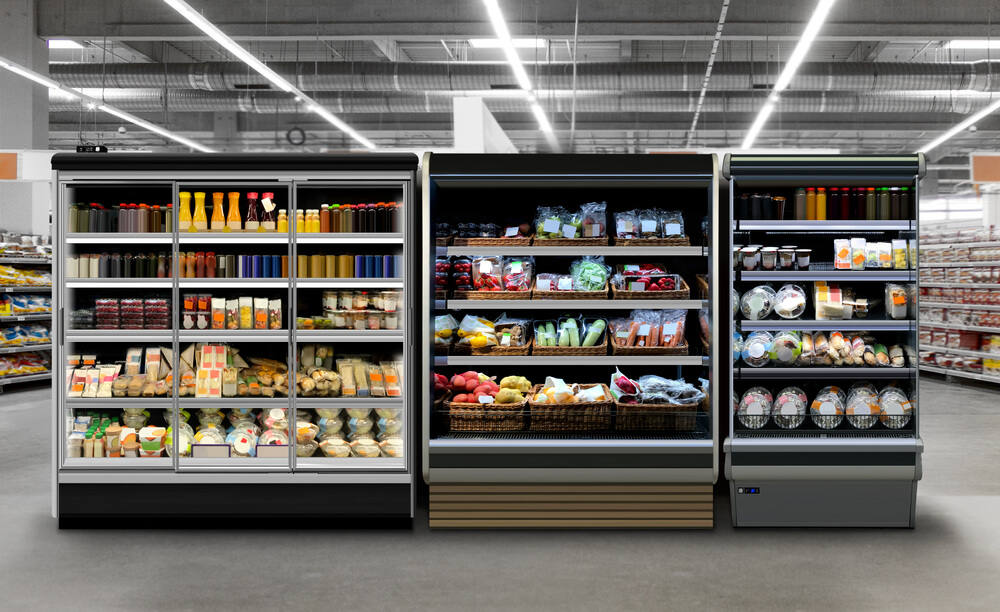
Below is a comprehensive breakdown of tasks your staff and technicians should perform regularly to maintain safe, efficient, and long-lasting refrigeration systems.
1. Monitor and Record Temperature Daily
Temperature consistency is the foundation of commercial refrigeration safety.
- Keep refrigerators between 34°F – 40°F (1°C – 4°C)
- Freezers should remain at 0°F (–18°C) or lower
- Log temperatures every morning and evening
- Watch for sudden fluctuations (a sign of compressor or thermostat issues)
Incorrect temperatures cause spoilage, bacterial growth, and food safety concerns. If cold air escapes or warm air seeps in, corrective action is needed quickly.
2. Thorough Internal and External Cleaning
A clean refrigerator performs better and lasts longer.
Internal Cleaning Tips:
- Remove shelves, drawers, and trays
- Use mild soap, vinegar solution, or food-safe cleaner
- Avoid bleach, harsh chemicals, or abrasive scrubbers
- Clean ice makers to prevent mold contamination
- Check for hidden spills that can cause odor or bacterial growth
External Cleaning Tips:
- Wipe down doors, handles, and gaskets
- Clean behind and beneath the unit
- Look for signs of leaks or rust
Deep cleaning once a month helps you identify problems early and keeps your refrigerator sanitary.
Most Common Refrigerator Problems
3. Clean Condenser & Evaporator Coils
Dirty coils reduce cooling efficiency by up to 30%.
- Use a commercial condenser coil cleaner
- Use an air compressor to blow out dust
- Follow manual guidelines to avoid damaging fins
- Keep refrigerators away from fryers or heat sources
Clogged coils make compressors work harder, leading to overheating and premature failure.
4. Inspect Door Gaskets and Hinges
Door gaskets are often overlooked but extremely important.
- Check for tears, cracks, loose edges, or gaps
- Use the “dollar bill test” — if it slips out easily, the seal is weak
- Lubricate hinges regularly
- Replace damaged gasket strips promptly
Leaky doors cause cold air loss, higher electricity costs, and compressor strain.
5. Clean Air Filters & Fan Blades
Airflow is critical for optimal refrigeration performance.
- Degrease fan blades to remove kitchen grease buildup
- Replace damaged or clogged filters
- Keep intake vents unobstructed
- Ensure fan motors spin freely
Restricted airflow results in overheating and reduced cooling capacity.
6. Clean and Unclog Drain Lines
Drain lines easily accumulate mold, slime, and debris.
- Inspect the drain pan weekly
- Remove buildup before it becomes a blockage
- Use warm water and mild detergent
- Get a technician to flush the drain line periodically
Blocked drain lines lead to water pooling, foul odors, and bacterial contamination.
7. Keep the Unit Dry
Moisture buildup inside your unit leads to:
- Freezing
- Ice buildup
- Mold
- Temperature imbalance
Train staff to immediately wipe spills or condensation inside the unit.
8. Prevent Mold & Ice Contamination
Prevent mold and ice contamination. Ice makers are often ignored until contamination occurs.
- Sanitize ice bins regularly
- Maintain proper humidity levels
- Ensure proper airflow around ice systems
- Repair leaks promptly
Moldy or contaminated ice is a serious health violation.
9. Check for Leaks and Test Seals
Routine inspections can prevent major repairs.
- Look for refrigerant leaks
- Inspect copper lines for corrosion
- Check seals around doors, valves, and pipes
- Listen for unusual sounds indicating pressure issues
Fixing small leaks early prevents expensive compressor repairs.
Also Read: How to Clean a Walk-in Freezer?
Daily, Weekly, Monthly & Annual Refrigeration Maintenance Checklist
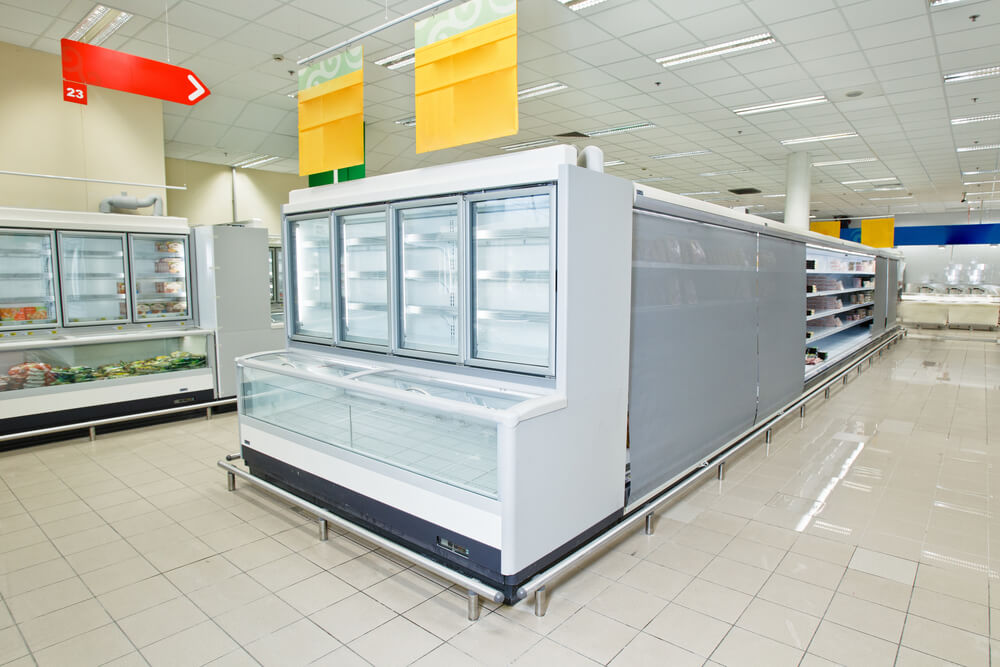
To improve your ranking and match top competitors, here is a structured time-based checklist.
✔ Daily Checklist
- Check temperatures twice a day
- Clean spills and visible debris
- Ensure all doors close properly
- Check interior lighting
- Listen for unusual noises
✔ Weekly Checklist
- Sanitize shelves, trays, and compartments
- Wipe down door gaskets
- Clean the drain pan
- Confirm proper airflow inside the unit
✔ Monthly Checklist
- Inspect gaskets using the dollar bill test
- Verify fan blades are grease-free
- Check and clean air filters
- Look for signs of leaks
✔ Quarterly Checklist
- Clean condenser and evaporator coils
- Inspect electrical connections
- Test thermostat accuracy
- Examine compressor performance
✔ Annual Checklist (Professional Technician Required)
- Refrigerant level inspection
- Full coil deep cleaning
- Compressor health assessment
- Door alignment adjustment
- Airflow efficiency testing
- Safety and electrical diagnostics
Common Commercial Refrigerator Problems
You may encounter these issues if maintenance is inconsistent:
- Refrigerator not cooling
- Excessive ice buildup
- Loud compressor or fan noises
- Water leakage
- Temperature fluctuations
- Frost on food or shelves
- High energy bills
- Mold in ice maker
Most of these issues can be prevented through regular maintenance and early inspections.
Advantages of Regular Refrigeration Maintenance
- Save costs: Periodic maintenance cuts energy bills prolongs appliance life, and ensures product quality/safety.
- Enhance longevity: Regular upkeep extends commercial fridge/freezer lifespan, ensuring product safety/quality.
- Cost-efficient: Preventive maintenance reduces expenses, extends appliance life, and ensures product safety/quality.
Final Thoughts
Following this commercial refrigeration maintenance checklist consistently can help you avoid costly repairs, reduce downtime, and extend the lifespan of your equipment. Whether you run a restaurant, café, or grocery store, regular maintenance is key to efficient, safe, and uninterrupted operations.
If you need professional support, Alturas Contractors is here to provide reliable and affordable commercial refrigeration services across Los Angeles.
Commercial Refrigeration Maintenance Checklist FAQs
How To Clean Refrigerator Coils?
To clean refrigerator coils, first, unplug the fridge. Locate the coils either behind or beneath the appliance. Gently vacuum or brush off dust, dirt, and debris buildup. Use a coil cleaning brush or a long, soft brush to reach tight spaces. Clean coils every 6 months to maintain cooling efficiency and extend the appliance’s lifespan.
What Temperature Should A Commercial Fridge Be?
A commercial fridge should maintain an internal temperature of 34 to 40 degrees Fahrenheit (1 to 4 degrees Celsius). This range ensures the safe storage of perishable items and prevents bacterial growth. Regularly monitor and adjust the temperature using a reliable thermometer, and ensure proper door sealing to maintain consistent cooling and uphold food safety standards.
How Often Should A Commercial Refrigerator Be Serviced?
A commercial refrigerator should be serviced every 3 to 6 months. Regular maintenance includes cleaning coils, checking door seals, inspecting motors, and testing temperature accuracy. Proper servicing helps prevent breakdowns, ensures efficient cooling, and prolongs the appliance’s lifespan. Additionally, address any sudden issues promptly to avoid disrupting operations and compromising food safety.
How Do You Clean The Inside Of A Commercial Refrigerator?
To clean the inside of a commercial refrigerator, first, remove all the items. Use a mixture of mild detergent and warm water to wipe down shelves, walls, and surfaces. Pay attention to spills and stains. Rinse with clean water and dry thoroughly. Return the items once everything is cleaned and sanitized.
How Do You Clean Commercial Refrigerator Condenser Coils?
To clean commercial refrigerator condenser coils, first, unplug the unit for safety. Locate the coils, typically at the back or bottom. Gently brush away dust and debris using a coil brush or a vacuum cleaner with a brush attachment. Keep coils clean every 3 months to maintain optimal cooling efficiency.
Why Is My Commercial Refrigerator Freezing?
A commercial refrigerator might freeze due to a faulty thermostat, incorrect temperature settings, blocked airflow, or a malfunctioning defrost system. Check and adjust the thermostat, ensure proper airflow by not overloading shelves, and inspect the defrost system. If issues persist, seek professional assistance to diagnose and repair the problem.
