
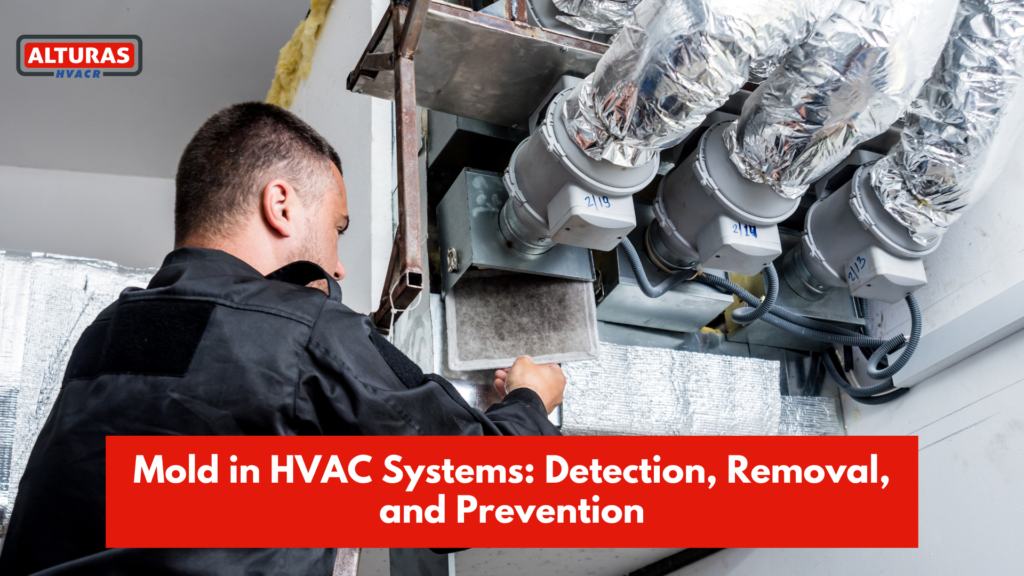
Mold in HVAC systems is an increasingly common indoor air quality issue that many homeowners and facility managers overlook. Because HVAC systems continuously circulate air, mold that develops inside ducts, coils, or vents can easily spread throughout the entire building—affecting health, comfort, and equipment performance.
This comprehensive guide explains what mold in HVAC systems is, why it develops, how to detect it, how to remove it safely, and proven strategies to prevent it from returning. Understanding these factors helps ensure a healthier indoor environment and extends the lifespan of your HVAC equipment.
What is Mold in HVAC Systems?
Mold is a type of fungus that thrives in damp, dark, and poorly ventilated environments. Because HVAC systems naturally produce moisture through cooling and dehumidification, they can become an ideal breeding ground for mold spores.
Once mold begins to grow inside:
- Air ducts
- Evaporator coils
- Drip pans
- Air handlers
- Supply vents
…it can spread throughout the entire indoor environment via airflow.
This increases the concentration of mold spores in the air, potentially triggering allergic reactions, respiratory symptoms, headaches, and irritation—especially for individuals with asthma, allergies, or weakened immune systems.
Also Read: Can mold grow in the Freezer
Is HVAC Mold a Common Problem?
Yes. Mold in HVAC systems is extremely common HVAC problem, especially in regions with high humidity, poor ventilation, or infrequent system maintenance.
The heating/cooling cycle often creates condensation. If moisture remains inside the system, mold spores can multiply rapidly. Dust buildup and organic debris inside ducts provide additional food sources.
Regular HVAC maintenance and inspections are key to preventing mold growth and ensuring the longevity and efficiency of the HVAC system.
Causes of Mold in HVAC Systems
Understanding the root causes helps you prevent mold from returning.
Common Causes Include:
1. Excess Humidity
Indoor humidity levels above 60% create ideal conditions for mold growth.
2. Poor Ventilation
Inadequate airflow prevents moisture from evaporating, allowing condensation to linger.
3. Dirty Evaporator Coils
Dust and dirt trap moisture, encouraging microbial growth.
4. Clogged Condensate Drain Lines
A blocked drain pan or drain line allows water to pool inside the system.
5. Leaky or Unsealed Ductwork
Warm, moist air entering cool ducts leads to condensation.
6. Oversized AC Units
Short cooling cycles do not remove enough humidity from the air.
7. Organic Debris Buildup
Dust, pollen, and pet dander inside ducts feed mold.
8. Uninsulated Ducts in Attics/Basements
Temperature differences cause condensation on duct surfaces.
Addressing these causes dramatically reduces mold risk.
The Impact of Mold in HVAC Systems
Health Effects:
Exposure to mold in HVAC systems may cause:
- Wheezing or coughing
- Respiratory issues
- Allergic reactions
- Eye, nose, or throat irritation
- Sinus infections
- Aggravated asthma
- Headaches
- Fatigue
Sensitive individuals may experience more severe reactions.
Property Effects:
Mold can cause:
- Corrosion and deterioration of components
- Reduced airflow and efficiency
- Foul musty odors
- Costly repairs or replacements
- Decreased indoor air quality
Long-term mold growth can damage the system and shorten its lifespan.
How to Detect Mold in HVAC Systems (Step-by-Step)
Identifying mold early prevents health issues and expensive repairs.
Step 1: Smell the Air When HVAC Is Running
A persistent musty or earthy odor is a primary indicator.
Step 2: Inspect Supply and Return Vents
Look for:
- Black, green, or white spots
- Visible fuzz
- Dark streaks
Step 3: Check the Air Filter
A clogged, damp, or moldy filter indicates mold inside the system.
Step 4: Inspect the Evaporator Coil
Moist coils covered in dust or biofilm encourage mold.
Step 5: Examine the Drain Pan
Standing water or slime suggests mold-friendly conditions.
Step 6: Monitor Indoor Humidity
Use a hygrometer. Levels above 50–60% increase mold risk.
Step 7: Observe Health Symptoms
If symptoms worsen when the HVAC runs, mold could be circulating.
Step 8: Consider Professional Mold Testing
Experts can conduct:
- Air quality testing
- Swab sampling
- Duct interior inspection
Also Read: How To Prevent Mold in Commercial Buildings
Cost of HVAC Mold Removal
Costs vary depending on severity, system size, and accessibility.
Typical Cost Breakdown:
| Service | Average Cost |
|---|---|
| Basic mold cleaning in vents | $200–$600 |
| Full duct cleaning | $400–$1,200 |
| Mold remediation in air handler/coils | $300–$1,000 |
| HVAC antimicrobial treatment | $150–$350 |
| Lab mold testing | $200–$500 |
| Severe mold infestation (entire system) | $2,000–$10,000 |
Prevention is significantly cheaper than remediation.
How to Get Rid of Mold in Your HVAC System?
Removing mold from HVAC systems requires a thorough and systematic approach:
- Turn Off the System: Before starting any cleaning, turn off the HVAC system to prevent the spread of mold spores. This step is crucial to contain the mold and protect the indoor environment.
- Protect Yourself: Wear protective gear, such as gloves, masks, and eye protection, to avoid exposure to mold. Safety measures are essential to prevent health issues during the cleaning process.
- Clean the System: Use a mold-specific cleaner to clean visible mold from ducts, vents, and other accessible parts of the system. For extensive mold infestations, professional HVAC cleaning may be necessary to ensure thorough removal.
- Replace Filters: Replace the HVAC filters regularly to prevent mold spores from recirculating. Using high-efficiency filters can help in trapping mold spores and other contaminants.
- Dry the System: Ensure the system is completely dry before turning it back on to prevent further mold growth. Proper drying techniques can include using dehumidifiers or running the system on a dry mode.
Get Now: Essential HVAC Tune-up Checklist
How to Prevent Mold in HVAC Systems?
Regular Maintenance
- Have your HVAC system inspected and maintained by professional HVAC Company regularly to catch and address potential issues early.
- Inspect HVAC system annually
- Clean ducts and coils as needed
- Replace filters every 1–3 months
Humidity Control
- Keep indoor humidity between 30–50%
- Use dehumidifiers in damp climates
- Ensure bathrooms and kitchens have proper ventilation
Improve the HVAC System
- Install UV-C lights to kill microbial growth
- Use antimicrobial drain pan tablets
- Seal and insulate ducts
- Keep evaporator coils clean
- Ensure proper AC sizing
Eliminate Moisture Sources
- Repair leaks
- Insulate cold surfaces
- Improve airflow around HVAC unit
Preventing mold in HVAC systems involves regular maintenance and taking proactive measures.
Common Myths About HVAC Mold
Myth 1: “Mold can’t grow in cold air.”
Truth: Mold can grow anywhere moisture is present—including AC coils.
Myth 2: “Bleach kills all mold in ducts.”
Truth: Bleach is ineffective on porous materials and unsafe for HVAC components.
Myth 3: “A new filter will remove mold from the system.”
Truth: Filters cannot eliminate mold already growing inside ducts or coils.
Myth 4: “UV lights alone solve the problem.”
Truth: UV lights help, but only when humidity and dust issues are also addressed.
Conclusion
Mold in HVAC systems is a serious issue that can affect both your health and the efficiency of your HVAC system. By understanding how to detect, remove, and prevent mold, you can maintain a healthy indoor environment and avoid costly repairs. Regular maintenance, proper humidity control, and prompt action at the first signs of mold are key to keeping your HVAC system mold-free.
FAQs
How can I tell if my HVAC system has mold?
You may notice a musty odor when the system is running, visible mold on vents or ducts, or experience unexplained respiratory issues. Increased indoor humidity and dust accumulation in the system can also indicate mold presence.
What are the health risks associated with mold in HVAC systems?
Exposure to mold spores can cause respiratory problems, allergic reactions, and other health issues, especially in individuals with compromised immune systems. It can lead to chronic health problems if not addressed promptly.
Can I clean mold from my HVAC system myself?
While you can clean visible mold from accessible parts of the system using a mold-specific cleaner, it is often best to hire professionals for thorough cleaning, especially for extensive mold infestations.
How often should I have my HVAC system inspected for mold?
It’s recommended to have your HVAC system inspected by professionals at least once a year. Regular inspections can help identify and address potential mold problems early.
What steps can I take to prevent mold in my HVAC system?
Regular maintenance, proper humidity control, and ensuring your system is dry are key steps. Regularly replacing filters, using dehumidifiers, ensuring good ventilation, and sealing and insulating ducts can help prevent mold growth.
