
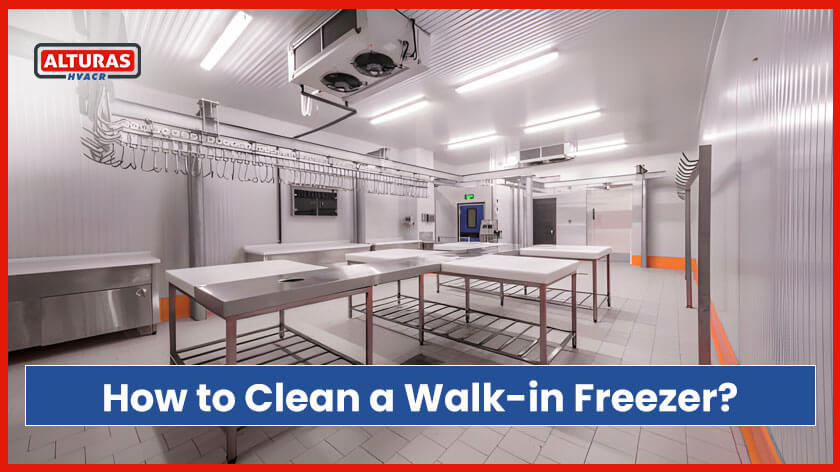
Cleaning a walk-in freezer is essential for maintaining food safety, reducing energy costs, preventing bacterial contamination, and extending your equipment’s lifespan. Whether you run a restaurant, grocery store, or commercial kitchen, knowing how to clean a walk-in freezer properly helps you stay compliant with health codes and improve operational efficiency.
This complete guide explains how to clean a walk-in freezer step-by-step, along with maintenance tips, recommended cleaning products, and answers to the most common commercial freezer cleaning questions.
Commercial Refrigeration Los Angeles
Why is it Important to Clean a Walk in Freezer?
Regular cleaning of your walk in freezer offers a multitude of benefits:
- Food Safety: A freezer that is clean will help stop germs from growing. It will also stop sickness caused by dirty food. Spills, crumbs, and leftover food can bring pests. They can also make mold grow in the freezer. Cleaning the freezer often stops these bad things from happening. It keeps your frozen food safe to eat.
- Improved Efficiency: A clean, well-kept freezer works better. Dust and dirt on the coils inside can stop air from flowing well. This makes the freezer work harder to keep things cold. It uses more energy. Cleaning the freezer lets air flow smoothly. The freezer does not need to work as hard. It uses less energy.
- Extended Equipment Life: Keeping the freezer clean helps it last longer. Dirt and debris can damage the coils, fans, and other parts inside. Removing this dirt and debris prevents damage and extends the life of your valuable walk-in freezer.
- Reduced Maintenance Costs: Regular cleaning helps avoid costly repairs. It allows you to find potential issues early, like leaking drain lines or faulty fans. Early detection means you can fix problems before they become major repairs.
- Improved Hygiene: Making sure your walk-in freezer is clean and sanitized is very important. It helps create a nice and healthy work environment for everyone. A clean freezer looks better and also helps keep
Now that we know it’s important to keep the walk-in freezer clean, let’s talk about how to clean a walk in freezer in detail.
Preparing to Clean Your Walk in Freezer
Before you grab your cleaning supplies and dive in, a little preparation goes a long way in ensuring a smooth and efficient cleaning process.
- Schedule the Cleaning: Pick a time when the freezer has nothing in it. This could be between deliveries. That way, your work is not disturbed.
- Gather Supplies: Get all the things you need for cleaning. For the walk-in freezer, you will need a bucket, mop, sponges, cleaning rags, an ice scraper, and soapy water made with dish soap. Also, use a disinfectant made for places where food is kept. This keeps things clean and safe. A useful tip: put the disinfectant in a spray bottle. That makes it easier to use.
- Inform Staff: Tell your workers about the cleaning schedule. This stops people from walking in by mistake.
- Personal Protective Equipment (PPE): Stay safe! Put on protective gear like gloves, goggles, and closed shoes. Wearing the right equipment keeps you secure while you clean.
How to Clean a Walk-In Freezer (Step-by-Step)
Below is the exact step-by-step cleaning procedure commercial kitchens use.
Unplug the Freezer and Remove All Food and Drinks
1. Unplug the Freezer: First, turn off the power supply. Next, unplug the walk-in freezer from its electrical outlet. This action prevents any accidental shock while cleaning.
2. Remove All Food and Drinks: Take out all food items and beverages from inside the freezer. Put these in a cooler with ice packs. This keeps them safely chilled. With no items inside, cleaning the freezer becomes easier.
Interior Cleaning
Now that the freezer is ready, it’s time to tackle the interior. Clean Walls, Shelves, Racks, etc. with Soap and Water and Avoid Harsh Cleaning Chemicals:
- Start from Top to Bottom: First, wipe the ceiling, walls, and shelves clean. Use a clean sponge or mop with warm soapy water. Focus on areas where grime builds up, like corners and edges of shelves.
- Avoid Harsh Chemicals: Do not use strong cleaners or harsh chemicals. They can damage the freezer inside. They may also leave behind harmful stuff that could make your food unsafe.
- Disinfect Surfaces: After cleaning with soap and water, disinfect all surfaces. Use a food-safe disinfectant solution. Follow the directions on how much to use and how long to leave it on.
Clean-Up Spills:
Spills happen, especially in busy kitchens. But, it’s important to clean spills quickly. This stops bacteria from growing.
Scrape Away Ice Buildup:
If there is ice buildup on the walls or floor, use a plastic scraper to remove it carefully. Avoid using metal tools. Metal tools can damage the freezer’s inside lining.
Contain the Spill:
First, soak up the spilled liquid. Use paper towels or cloths. Start at the edges and work toward the center. This stops the spill from spreading further.
Clean and Disinfect:
Next, clean the area with warm soapy water. Check for cracks and corners where liquid may have gone. Then, disinfect everything with a food-safe solution. This kills any leftover germs.
Dispose of Contaminated Materials:
Throw away any rags, towels, or other things that got spilled on
How to Clean a Walk in Freezer Floor?
The floor of your walk-in freezer needs special care. It is exposed to moisture and spills. Here’s how to clean a walk in freezer floor:
- Remove Derbis: First, sweep or vacuum the floor. This removes any loose dirt, crumbs, or food pieces. If these stay, they can get trapped under cleaning products. This could allow bacteria to grow.
- Hot Water and Soap Mix: Make a mix of hot water and soap in a bucket. Hot water helps melt any ice or stuck-on grime. But, don’t use boiling water. This could damage the floor’s surface.
- Mop the Floor: Put your mop in the hot, soapy water. Squeeze out extra water so the mop isn’t too wet. Mop the floor starting at the back by the freezer. Move towards the exit so you don’t walk over clean areas.
- Pay Attention to Corners and Drains: Don’t miss the corners and areas around floor drains. Dirt and trash build up easily in those spots. Use a scrub brush dipped in the cleaning solution. Scrub hard to remove stuck-on grime from corners and drains.
- Rinsing (Optional): You may need to rinse the floor after cleaning. This depends on the cleaning solution you used. If rinsing is required, use clean, warm water to remove any soap left behind.
- Drying is Crucial: After mopping, make sure the floor dries fully before turning the freezer on again. Leaving the floor wet can cause ice buildup. It can also make the floor slippery and unsafe. Use squeegees, towels, or fans to help the floor dry faster.
Pro-Tip: Think about buying a special floor squeegee made for walk-in freezers. These squeegees are often made from strong rubber that can remove extra water without harming the floor.
Walk-in Freezer Repair Los Angeles
Exterior Cleaning, Coils & Drain Line Care
Clean the Exterior
- Wipe doors, handles, hinges, and exterior walls with a damp cloth.
- Inspect stainless steel areas for fingerprints or grease and polish them.
Clean Condenser Coils (essential for efficiency)
Dirty coils increase energy consumption by up to 30%.
- Locate the condenser (usually outside the freezer box).
- Brush off dust with a coil brush.
- Vacuum remaining debris.
- Never spray water—it can damage delicate fins.
Inspect and Clean Drain Lines
- Clogged drains can lead to leaks and foul odors.
- Call a technician if the clog persists.
- Locate the drain inside the freezer.
- Check for debris or ice.
- Flush with warm water (not hot).
- Use a drain snake if the line is clogged.
Walk-in Freezer Installation Los Angeles
How to Maintain a Walk-in Freezer?
Keeping your walk-in freezer neat and working well is important. Here are some things to do regularly:
- Regular Cleaning Schedule: Make a schedule to clean your walk-in freezer. How often you clean depends on how much food is stored and how busy the area is. A good rule is to clean every one or two weeks. Do a deep cleaning every three months.
- Daily Checks: Make simple daily checks part of your routine. Look for any spills or leaks. Also, check for too much frost buildup that needs attention right away.
- Temperature Monitoring: Keep a steady temperature inside your walk-in freezer. The best temperature range is between 0°F (-18°C) and -10°F (-23°C) for most frozen foods. Use a good thermometer to check the temperature. Change the settings if needed.
- Proper Inventory Management: Manage your inventory well to reduce clutter. This helps prevent expired food from staying in the freezer too long. Use the first-in, first-out (FIFO) method. This means using older items first.
- Defrosting: Most walk-in freezers require regular defrosting. This removes built-up ice that can impact efficiency. How often you need to defrost depends on the model and how you use it. Check your owner’s manual for the right way to defrost your freezer.
- Door Management: Don’t open the freezer door too often. Make sure it closes tightly each time. Leaving the door open lets warm air in. This makes the compressor work harder and uses more energy.
- Staff Training: Train staff on using the walk-in freezer properly. This includes storing items correctly, not overfilling shelves, and reporting spills or leaks right away.
Choosing the Right Cleaning Products for Walk in Freezer Cleaning
Cleaning a walk-in freezer requires special care to ensure both effectiveness and safety. The right cleaning products and procedures help maintain hygiene, prevent contamination, and prolong the equipment’s life.
- Non-toxic and Food-Safe Cleaners: It’s crucial to use cleaners that are safe for areas where food is stored. Look for products labeled as non-toxic and safe for food contact surfaces.
- Degreasers: These are essential for removing oil and grease that can accumulate in a freezer. Make sure to choose a degreaser that’s safe for use at low temperatures.
- Ice Melt Products: Specially formulated ice melt products can be used to dissolve ice buildup without damaging the freezer or its contents.
- Disinfectants: To ensure thorough sanitation, use disinfectants approved for use in food preparation areas. These should be effective at low temperatures.
- Stainless Steel Cleaners: If your freezer has stainless steel surfaces, use specific cleaners to prevent streaks and corrosion.
- Soft Brushes and Scrubbers: Use non-abrasive tools to scrub surfaces without damaging them. Soft brushes, sponges, and microfiber cloths are ideal.
- Personal Protective Equipment (PPE): Gloves, goggles, and appropriate clothing should be worn to protect against cold temperatures and cleaning chemicals.
Recommended Cleaning Products
- Ecolab Oasis 146 Multi-Quat Sanitizer – A food-safe disinfectant.
- 3M Stainless Steel Cleaner and Polish – For stainless steel surfaces.
- Simple Green Crystal Industrial Cleaner/Degreaser – Non-toxic and biodegradable.
- Zep Commercial Freezer Cleaner – Specifically designed for low temperatures.
- Unger Stingray Indoor Cleaning Kit – For hard-to-reach areas.
FAQs
1. What is the best way to clean a walk-in freezer floor?
- Method:
- Sweep or vacuum loose debris.
- Apply a food-safe cleaner or degreaser to the floor.
- Scrub with a soft-bristle brush.
- Rinse with clean water and mop up any excess liquid.
- Allow the floor to dry completely before closing the freezer door.
2. How to clean a walk-in freezer without turning it off?
- Method:
- Use dry cleaning methods like vacuuming or sweeping first.
- For sticky spots or stains, use a spot cleaner that works at low temperatures.
- Apply cleaning products sparingly and use absorbent towels to remove moisture immediately to avoid ice buildup.
3. How often should a walk-in freezer be cleaned?
- Routine Cleaning: At least once a month for general cleaning, depending on usage.
- Deep Cleaning: Every 3-6 months, including defrosting, sanitizing, and inspecting seals and components.
4. What is the cleaning procedure for a freezer?
- Procedure:
- Remove all items from the freezer.
- Turn off the freezer if a deep clean is required (for standard cleaning, this may not be necessary).
- Clean from top to bottom, starting with shelves and walls.
- Use appropriate cleaning products for different surfaces.
- Rinse and dry all areas thoroughly.
- Defrost if necessary and ensure the freezer is at the correct temperature before restocking.
Conclusion
A walk-in freezer needs care. Clean it often to keep it safe for food. A clean freezer helps food stay good. It also saves energy costs. It makes the freezer last longer. With some work and planning, you can keep your walk-in freezer working well for years. A clean, working freezer is great. Food stays fresh and safe. Energy bills stay low too.
