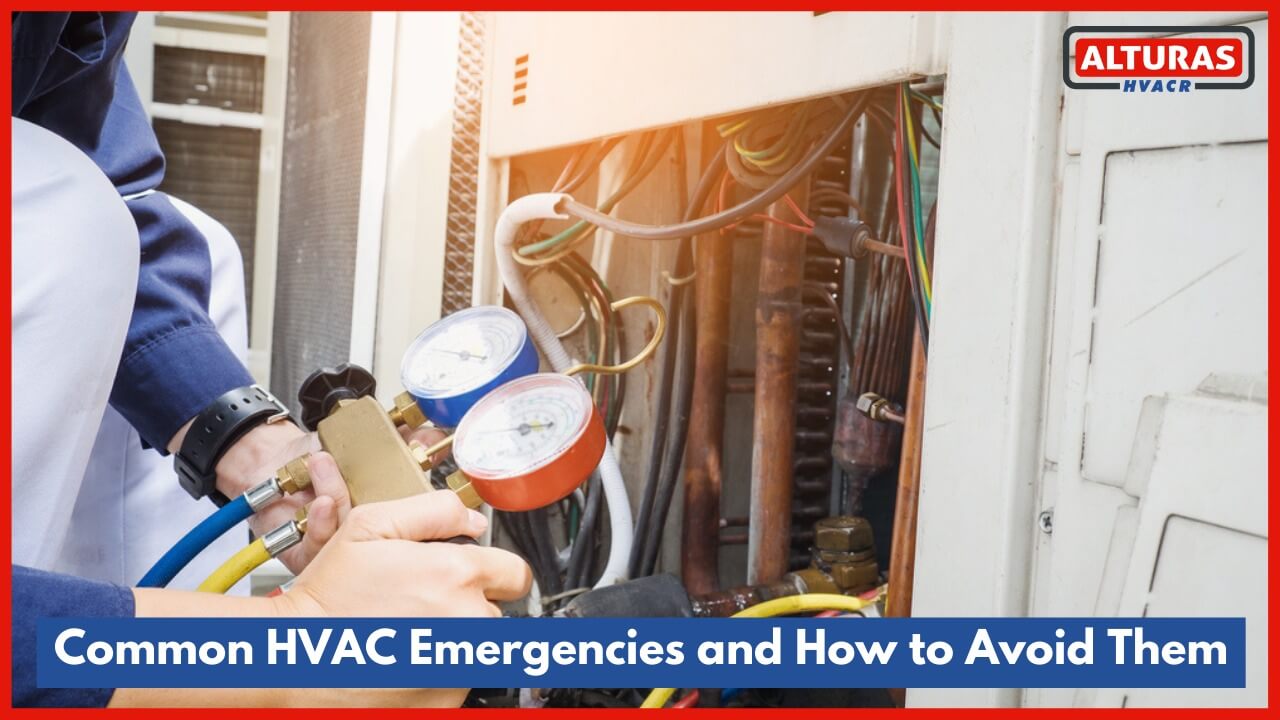
Your HVAC system is one of the most important components of your business, especially in a climate like Los Angeles, where temperatures rise quickly and indoor comfort is essential. When something goes wrong unexpectedly, it can quickly turn into an HVAC emergency, affecting safety, air quality, and even energy costs. This comprehensive guide explains the most common HVAC emergencies, how to recognize them early, and—most importantly—how to prevent them with professional maintenance.
Whether you operate a restaurant, manage a commercial building, or run industrial facilities, these insights can help you avoid expensive breakdowns and keep your system running efficiently all year long.
What Is Considered an HVAC Emergency?
An HVAC issue becomes an emergency when it:
- Affects the health or safety of occupants
- Causes system failure or severe damage
- Results in water leaks or electrical hazards
- Stops heating or cooling during extreme temperatures
- Involves refrigerant or gas leaks
If any of these occur, you should contact a Los Angeles HVAC contractor immediately.
What Are Some HVAC Emergencies?
HVAC equipment contains various components that work together for the system to run efficiently. A malfunctioning HVAC system can be a nuisance as it can drastically raise your energy bills, reduce the lifespan of your equipment, and affect the indoor air quality too. Therefore it is inevitable to identify or detect if your heating and cooling system is having an issue.
This article discusses in detail what is Common HVAC Emergencies And How to Avoid Them. These common HVAC problems and solutions will save you from facing greater HVAC issues.
Refrigerant Leak
Refrigerant leaks are among the most frequent and most dangerous HVAC emergencies. Refrigerant is responsible for cooling the air. When it leaks, your AC:
- Loses cooling capacity
- Runs continuously
- Overheats the compressor
- Forms ice on the evaporator coils
- Increases humidity indoors
- Causes energy bills to spike
Common signs of a refrigerant leak:
- Ice buildup on coils or refrigerant lines
- Long cooling cycles
- Warm air from vents
- Hissing or bubbling sounds
- Sudden rise in electricity bills
How to avoid refrigerant leaks:
- Schedule coil and line inspections twice a year
- Replace worn-out insulation
- Check for corrosion around joints and fittings
- Never ignore weak airflow or high humidity
A refrigerant problem can destroy the compressor—a repair that often leads homeowners to replace the entire HVAC unit.
Related: AC Refrigerant Leaks
Clogged drain Lines
A clogged drain line is another major reason for HVAC failures and water damage. Over time, dust, algae, mold, and debris block the drain line, causing the unit to overflow.
Symptoms of a clogged AC drain line:
- Musty or moldy smell near indoor unit
- Standing water or wet floors
- AC shutting off unexpectedly
- Water dripping from the air handler
- High indoor humidity
How to avoid drain line clogs:
- Flush drain lines annually
- Clean/replace air filters monthly
- Inspect the condensate pan
- Install a safety shut-off switch
In Los Angeles, where humidity rises in coastal areas, clogged drain lines happen more frequently.
Related: Commercial HVAC Air Filters Guide
Ventilation Problems
Faulty ventilation is both an HVAC issue and a health concern. Blocked or damaged ductwork prevents warm or cool air from circulating properly, forcing your system to overwork and eventually fail.
Signs of ventilation or airflow problems:
- Hot and cold spots throughout the building
- Weak airflow from vents
- Dust blowing from ducts
- Old or damaged blower fans
- Bent or clogged condenser fins
- Debris buildup around outdoor units
- High energy bills
- Low or leaking refrigerant
Prevention tips:
- Keep vents unblocked
- Replace filters regularly
- Inspect ductwork annually
- Clean condenser coils
- Clear debris around outdoor condenser units
Good ventilation is especially important for Los Angeles commercial kitchens, restaurants, offices, and multi-unit housing.
Electrical Problems
Electrical issues can lead to major system failure and fire hazards—making them a critical emergency.
They occur most often due to:
- Loose connections
- Damaged wiring
- Burned-out relays
- Failing contractors or breakers
- Overloaded circuits
Signs you may have an HVAC electrical emergency:
- HVAC system won’t turn on
- Frequent breaker trips
- System runs continuously
- Burning smell from vents or unit
How to prevent electrical problems:
- Annual electrical component inspections
- Replace worn wires
- Make sure the system is properly sized for your home
- Install surge protection
Electrical failures should always be handled by a licensed HVAC technician.
Failed or Swollen Capacitors
Your HVAC system relies on capacitors to start the compressor and fan motors. When capacitors fail, the system shuts down immediately.
Swollen, leaking, or overheated capacitors are a common cause of sudden HVAC emergencies, especially during Los Angeles heat waves.
Signs of capacitor problems:
- AC won’t turn on
- AC hums but doesn’t start
- System shuts off randomly
- Fan stops spinning
- Warm air in the home
Prevention tips:
- Avoid running AC during brownouts or unstable voltage
- Routine maintenance
- Replace capacitors showing early swelling
Gas Leaks (Critical Emergency)
If you have a furnace or heating system using natural gas, a leak can be deadly.
Gas leaks can cause:
- Fire
- Explosions
- Carbon monoxide poisoning
Emergency signs:
- Strong smell of gas or rotten eggs
- Hissing noises
- Headaches, dizziness, or nausea
- Pilot light frequently going out
If you suspect a gas leak:
- Evacuate immediately
- Do not turn on electronics or light switches
- Call your gas provider
- Call emergency HVAC technicians
Annual inspections can detect cracks or loose connections early.
How to Avoid HVAC Emergencies (Proactive Checklist)
Here’s a professional checklist you can use for your home or business in Los Angeles:
✔ Replace air filters every 30–60 days
✔ Schedule HVAC tune-ups twice a year
✔ Clean condenser coils and vents
✔ Flush and inspect drain lines
✔ Check for unusual odors or sounds
✔ Keep outdoor units free from debris
✔ Test carbon monoxide detectors
✔ Inspect ductwork for leaks
✔ Lubricate moving parts
✔ Monitor cooling and heating performance
✔ Have your refrigerant levels checked
Preventive maintenance reduces HVAC emergencies by up to 80%.
HVAC Emergency Cost Guide
| Emergency Issue | Typical Cost Range |
|---|---|
| Refrigerant leak repair | $200 – $1,000+ |
| Drain line cleaning | $100 – $350 |
| Electrical failure repair | $150 – $500 |
| Capacitor replacement | $150 – $400 |
| Duct repair or sealing | $150 – $1,000 |
| Gas leak or furnace repair | Varies (safety priority) |
What To Do During an HVAC Emergency (Step-by-Step)
- Turn off the HVAC system immediately
- Shut off power at the breaker if needed
- Check for water leaks or smells
- Avoid touching electrical components
- Call a licensed Los Angeles emergency HVAC technician
- Avoid running the system until inspected
FAQs: Common HVAC Emergencies
1. What counts as an HVAC emergency?
Anything involving water leaks, electrical failure, no cooling during high heat, or gas smells.
2. How often should I schedule HVAC maintenance?
Twice a year—once before summer and once before winter.
3. Can refrigerant leaks be dangerous?
Yes. They can damage the compressor and affect indoor air quality.
4. Why does my AC shut off suddenly?
Likely due to clogged drain lines, capacitor failure, or a safety switch.
5. Should I repair or replace my HVAC system?
If repairs exceed 40% of replacement cost or the unit is over 12–15 years old, replacement is more cost-efficient.
