

Walk in coolers for supermarkets are a critical part of modern grocery and food retail operations. From storing fresh produce and dairy to meat, beverages, and frozen items, supermarkets rely on commercial walk-in coolers to maintain food safety, product quality, and operational efficiency.
With the rapid expansion of supermarkets and convenience stores worldwide, the demand for energy-efficient, durable, and customizable walk-in coolers continues to grow. Choosing the right supermarket walk-in cooler can significantly reduce spoilage, lower energy costs, and ensure compliance with health regulations.
This guide provides a complete overview of walk-in coolers for supermarkets, including types, features to consider, costs, installation, maintenance, and trusted brands.
What Are Walk-In Coolers Used for in Supermarkets?
A supermarket walk-in cooler is a large, insulated cold storage room designed to maintain consistent temperatures for perishable goods. These systems allow staff to store bulk inventory safely while ensuring easy access and proper organization.
Supermarkets typically use walk-in coolers for:
- Fresh fruits and vegetables
- Dairy products
- Meat and poultry
- Beverages
- Prepared and packaged foods
Compared to standard reach-in refrigerators, commercial walk-in coolers offer greater storage capacity, improved temperature stability, and better long-term cost efficiency.
Types of Walk in Coolers for Supermarkets
There are different types of walk-in coolers that are readily available nowadays. The popular model that sells the most are the cold storage cooler and a walk in cooler that has a glass door. The common characteristics of walk-in cooler condensing units would be low noise and small volume for the supermarkets.
Prefabricated Walk-In Coolers
Prefabricated walk-in coolers are manufactured off-site and delivered as modular panels that are assembled at the final location. These units are pre-engineered for quick installation and consistent performance.
Benefits of prefabricated walk-in coolers:
- Faster installation time
- Cost-effective solution
- Flexible sizing options
- Ideal for standardized supermarket layouts
Prefabricated units are a popular choice for supermarkets looking for reliable cold storage without extensive construction work.
Built-In Walk-In Coolers
Built-in walk-in coolers are custom-constructed on-site using insulated panels, specialized flooring, doors, and a dedicated refrigeration system. These coolers are designed to fit exact space requirements.
Benefits of built-in walk-in coolers:
- Fully customized dimensions
- Designed for unique floor plans
- Ideal for large or high-volume supermarkets
- Enhanced design and layout flexibility
Although installation takes longer than prefabricated units, built-in walk-in coolers provide a tailored solution for complex supermarket environments.
Glass Door Walk-In Display Coolers
Glass door walk-in coolers are often used in supermarkets as display storage, allowing customers to view products without opening the door.
Advantages include:
- Improved product visibility
- Reduced door openings
- Better temperature retention
- Increased impulse purchases
These units are ideal for beverages, dairy products, and grab-and-go items.
How to Choose the Best Walk In Cooler for a Supermarket?
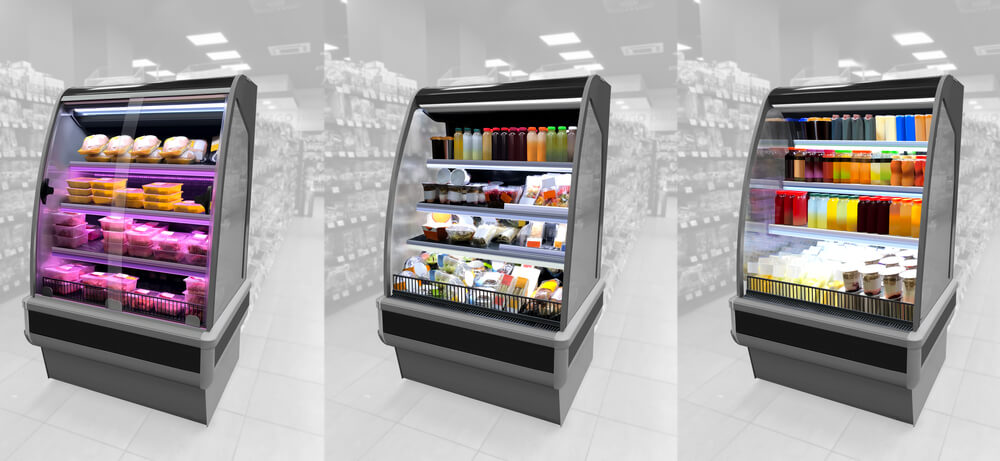
Investing in a high-quality walk-in cooler is one of the most important decisions a supermarket owner can make. Whether you operate a grocery store, convenience store, liquor store, or food service location, the following features should be carefully considered.
Size and Storage Capacity
Choose a walk-in cooler that can handle your current inventory while allowing room for future growth. Overstocking a small cooler reduces airflow and impacts cooling efficiency.
Temperature Zones and Control
Supermarkets often store multiple product types that require different temperatures. Some modern walk-in coolers allow multiple temperature zones or combination cooler-freezer configurations, providing greater flexibility.
Energy Efficiency
Energy-efficient walk-in coolers help reduce long-term operating costs. Look for:
- High-quality insulation
- Energy-efficient compressors
- LED interior lighting
- Smart temperature controls
Energy efficiency is especially important for supermarkets operating 24/7.
Customization Options
The best walk-in coolers for supermarkets offer customization options such as:
- Adjustable shelving
- Custom door placements
- Interior layout optimization
- Digital temperature monitoring
Customization ensures better organization and faster restocking.
Door Configuration and Accessibility
Door selection plays a key role in efficiency and usability. Options include:
- Solid insulated doors
- Glass display doors
- Sliding or swing doors
Doors should seal properly, open smoothly, and withstand heavy daily use.
Durability and Construction Quality
Commercial walk-in coolers must handle constant foot traffic and heavy loads. Stainless steel or aluminum interiors are preferred due to their durability, hygiene, and resistance to corrosion.
Compliance with Health and Safety Regulations
Ensure your supermarket walk-in cooler complies with all local health, safety, and food storage regulations. Proper temperature control and sanitation standards are essential to pass inspections and protect customers.
Walk-In Cooler Installation for Supermarkets
Professional installation is critical for optimal performance. Installation considerations include:
- Electrical and HVAC requirements
- Floor preparation and insulation
- Proper airflow and ventilation
- Integration with existing supermarket systems
Working with experienced commercial refrigeration professionals ensures correct setup and long-term reliability.
Walk-In Cooler Cost for Supermarkets
The cost of a walk-in cooler for a supermarket varies depending on several factors:
Cost factors include:
- Size and dimensions
- Insulation thickness
- Refrigeration system type
- Energy-efficiency features
- Installation complexity
While the upfront investment may seem high, a properly sized and energy-efficient unit offers significant long-term savings.
Trusted Walk-in Cooler Brands for Prefabricated and Built-in Coolers
Several trusted and reputable brands manufacture high-quality walk-in coolers, both prefabricated and built-in. Keep in mind that the availability of specific brands may vary based on your location and regional distributors. Here are some well-known brands in the walk-in cooler industry:
- American Panel
- Amerikooler
- Bally
- Kolpak
- Imperial Brown
- Norlake
- KPS Global
- PeakCold
The Significance of Maintenance and Cleaning
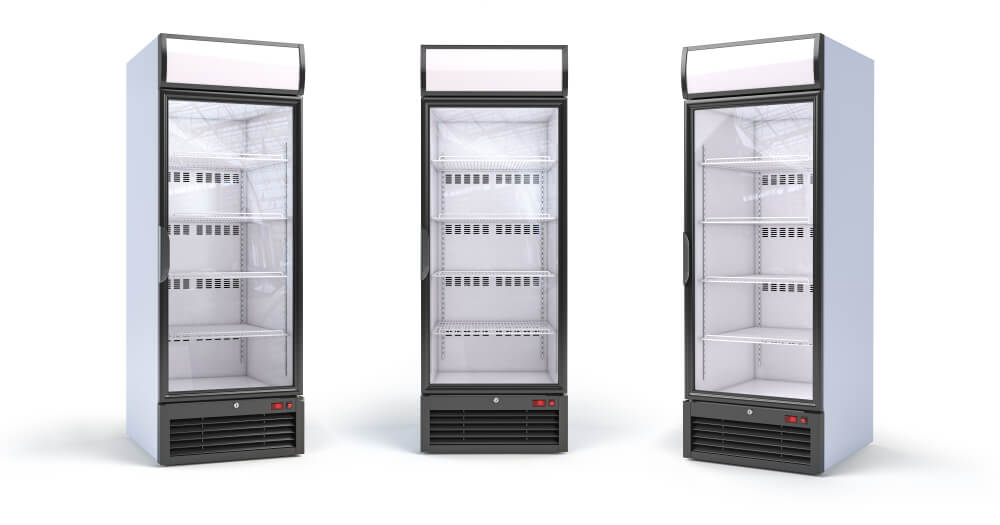
- Walk-in box owners should conduct regular performance maintenance and cleaning this would help in preventing mold and mildew from entering inside your unit.
- According to the article in Food Service Magazine, periodic cleaning with a damp soapy cloth should be conducted often.
- Components such as hinges, gaskets, and coils need to be regularly cleaned to prevent failure in sealing your unit. If not correctly maintained, those components might allow too much moisture to enter the compartment and either freeze the evaporator coil or flood the drain pan of the cooler
Check: Walk-in Cooler Maintenance Checklist
Conclusion:
Choosing the right walk-in cooler for a supermarket is essential for food safety, operational efficiency, and long-term cost control. By focusing on proper sizing, temperature control, energy efficiency, customization options, durable construction, and regular maintenance, supermarkets can ensure reliable cold storage for years to come.
Trusted brands such as American Panel, Kolpak, Norlake, and Bally offer high-quality solutions for both prefabricated and custom-built walk-in coolers. Investing in the right system—and maintaining it properly—protects your inventory and supports smooth supermarket operations.
Frequently Asked Questions (FAQs)
What size walk-in cooler does a supermarket need?
The size depends on inventory volume, product mix, and store layout. Most supermarkets choose larger units to accommodate bulk storage.
What is the ideal temperature for supermarket walk-in coolers?
Most coolers operate between 35°F and 38°F to keep food fresh and safe.
How long does a walk-in cooler last?
With proper maintenance, a commercial walk-in cooler can last 15–20 years or more.
Are glass door walk-in coolers energy efficient?
Yes, modern glass door coolers use insulated, low-emissivity glass to reduce energy loss.
How often should a walk-in cooler be serviced?
Professional servicing is recommended at least twice a year.
