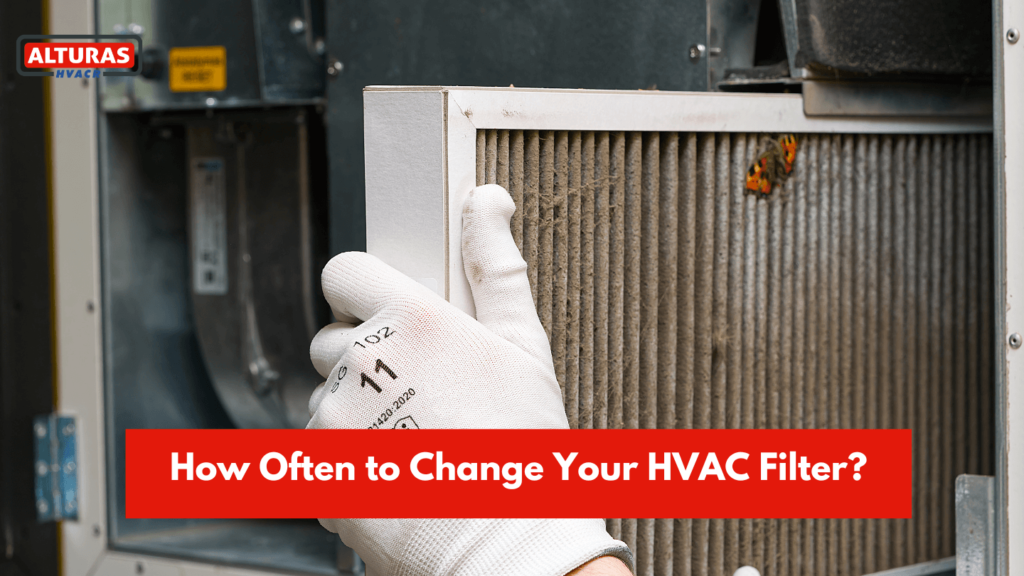
In any commercial building—whether it’s a corporate office, retail store, medical facility, school, warehouse, or restaurant—your HVAC system plays a critical role in maintaining indoor comfort, safety, and air quality. One of the most important and cost-effective maintenance tasks is regular HVAC filter replacement.
But how often should commercial facilities change HVAC filters? The answer depends on building type, occupancy levels, indoor air quality, equipment size, and filter type.
This commercial-focused guide outlines the ideal replacement schedule for various industries, explains why filter maintenance is crucial for operational efficiency, and offers expert recommendations for businesses.
Helpful For You: How to Select Right HVAC Air Filter
How Often Should a Commercial Facility Change HVAC Filters?
Most commercial buildings should change HVAC filters every 30–60 days.
However, frequency varies by environment:
| Commercial Environment | Recommended Filter Change |
|---|---|
| Corporate offices | Every 60–90 days |
| Retail stores | Every 45–60 days |
| Restaurants & commercial kitchens | Every 30 days |
| Hospitals & medical facilities | Every 30 days (HEPA as required) |
| Warehouses & industrial spaces | Every 20–45 days |
| Gyms & fitness centers | Every 20–30 days |
| Schools & daycare facilities | Every 30–45 days |
| Server rooms / data centers | Every 30–45 days |
| High-traffic commercial buildings | Every 30–45 days |
These recommendations help maintain air quality, prevent system strain, reduce downtime, and ensure compliance with health and building standards.
Why HVAC Filter Maintenance Matters for Commercial Buildings
Commercial buildings have higher foot traffic, more airborne contaminants, and larger HVAC loads than residential spaces. Clean HVAC filters ensure:
1. Better Indoor Air Quality
- Reduces pollutants such as dust, pollen, VOCs, and bacteria
- Protects employees, customers, and visitors
- Supports health compliance and improves workplace productivity
2. Lower Operating Costs
A clean filter reduces strain on blowers and motors, lowering:
- Energy usage
- Monthly utility bills
- Equipment wear and tear
3. Longer HVAC System Lifespan
Commercial HVAC units are expensive. Regular filter changes prevent:
- Coil damage
- Fan motor burnout
- Overheating
- Costly emergency repairs
4. Compliance with Industry Regulations
Many industries have air-quality standards:
- ASHRAE guidelines
- OSHA requirements
- Healthcare air filtration codes
Clean filters help ensure compliance.
Must Read: What is Mold?
Filter Type Matters in Commercial HVAC Systems
Commercial systems use different filters than homes, and each has a unique lifespan.
Commercial HVAC Filter Lifespan Chart
| Filter Type | Lifespan | Best For |
|---|---|---|
| Fiberglass | 30 days | Low-traffic retail & small offices |
| Pleated (MERV 8–13) | 30–90 days | Most commercial spaces |
| Electrostatic | 30–60 days | Medical & hospitality |
| High-MERV / HEPA filters | 6–12 months | Hospitals, labs, clean rooms |
| Industrial panel filters | 20–45 days | Manufacturing & warehouses |
| Activated carbon filters | 60–90 days | Facilities dealing with odors or chemicals |
How Building Type Affects HVAC Filter Replacement Frequency
1. Corporate Offices
- Lower particle load
- Typical replacement: 60–90 days
2. Restaurants & Commercial Kitchens
- High grease, smoke, and odors
- Replace every 30 days, sometimes more frequently in busy seasons
3. Warehouses & Manufacturing Facilities
- Dust, debris, forklift traffic
- Replace every 20–45 days
4. Medical & Healthcare Facilities
- Strict air quality standards
- Use HEPA or high-MERV filters
- Replace every 30 days or per compliance guidelines
5. Retail & Shopping Malls
- High foot traffic
- Replace every 30–60 days
6. Gyms & Fitness Centers
- High humidity + sweat + odors
- Replace every 20–30 days
7. Schools & Educational Buildings
- Child-specific health requirements
- Replace every 30–45 days
8. Data Centers / Server Rooms
- Equipment-sensitive environments
- Replace every 30–45 days
Signs a Commercial HVAC Filter Needs to Be Replaced
Replace the filter sooner if you notice:
- Reduced airflow from vents
- Higher energy bills
- Odors in the building
- More dust accumulation
- Employees complaining of allergies
- HVAC system running constantly
- Temperature inconsistencies
- Visible dirt on filters
Waiting too long can cause system failure—leading to downtime and major repair costs.
Commercial HVAC Filter Replacement Checklist
✔ Inspect filters every 30 days
✔ Replace filters based on building type
✔ Keep a log of maintenance
✔ Use proper MERV-rated commercial filters
✔ Check for airflow direction during installation
✔ Clean return grilles monthly
✔ Schedule quarterly professional HVAC maintenance
How to Replace a Commercial HVAC Filter (Step-by-Step)
- Turn off the HVAC system
- Access the air handler or rooftop unit
- Remove old filters carefully
- Inspect filters for mold or unusual debris
- Check MERV rating & airflow direction
- Insert new filters and secure panels
- Restart the system
- Log the replacement date
Most commercial buildings rely on professional HVAC maintenance contracts—but this guide helps evaluate contractor performance.
When to Call Professionals
While changing your HVAC filter is a DIY task, there may be instances when a professional HVAC company’s help is necessary:
- Difficulty accessing the filter: Some HVAC systems have filters located in hard-to-reach areas.
- Suspected HVAC issues: If you notice unusual noises, reduced airflow, or increased energy consumption, it’s time to call a professional to inspect your system.
- Filter replacement recommendations: HVAC technicians can advise on the appropriate filter type and replacement frequency based on your specific needs.
Commercial HVAC Filter FAQ
What Happens If I Forget to Replace My Air Filter?
Forgetting to replace your air filter can lead to several problems. A dirty filter restricts airflow, forcing your HVAC system to work harder, which can result in higher energy bills and potential system breakdowns. Moreover, a clogged filter can compromise indoor air quality, leading to health issues like allergies and respiratory problems. Keeping a schedule or setting reminders can help avoid these costly and inconvenient issues.
Also Read: Health Dangers That AC Refrigerant Leaks Can Cause
How often to change HVAC filter in winter?
In winter, your HVAC system works harder to keep your home warm. It’s advisable to check your filter every month and replace it as needed. The increased usage during cold months can lead to quicker filter clogging, so more frequent inspections are beneficial.
How Often to Change Air Filter with Pets?
If you have pets, it’s best to change your HVAC filter every 20 to 45 days. Pet hair and dander can quickly clog filters, reducing their effectiveness and indoor air quality. Regular replacement ensures your system runs efficiently and your home’s air remains clean and healthy for all residents.
How Often to Change Air Filter in Apartment?
Living in an apartment might mean smaller spaces and potentially more concentrated pollutants. Aim to change your air filter every 30 days to maintain good air quality and system efficiency. This frequency helps in managing dust, dander, and other particles that accumulate faster in confined spaces.
How Often to Change Air Filter in Air Purifier?
Air purifiers often come with different types of filters, like HEPA filters, which typically need to be replaced every 6 to 12 months. Check the manufacturer’s recommendations for specific guidelines to ensure your air purifier operates at peak efficiency, providing the best air quality.
Can I Run My HVAC System Without Using a Filter?
Absolutely not. Running your HVAC system without a filter is a recipe for disaster. The filter is essential for capturing dust, pollen, and other contaminants. Operating your system without one can lead to severe damage to the internal components, decreased efficiency, and compromised indoor air quality.
How Long Can I Truly Go Before Changing My HVAC Filter?
While it’s tempting to push the limits, delaying filter replacement can have negative consequences. As a general rule, avoid going more than three months without changing your filter, even if it appears clean. Factors like indoor air quality, pet ownership, and system usage can shorten this timeframe.
What happens if you don’t change the HVAC filter?
Neglecting to change your HVAC filter can lead to a host of problems, including:
- Reduced airflow: A clogged filter restricts airflow, making your HVAC system work harder.
- Increased energy consumption: Reduced airflow leads to higher energy bills.
- System breakdowns: Overworking your HVAC system can cause premature wear and tear, leading to costly repairs.
- Poor indoor air quality: A dirty filter allows allergens, dust, and other contaminants to circulate in your home.
How long do 4-inch HVAC filters last?
The lifespan of four HVAC filters depends on several factors, including filter type, indoor air quality, and system usage. If you change your filter every three months, four filters would last for a year. However, you might need to replace them more frequently based on your specific circumstances.
What MERV rating is best for commercial buildings?
- Offices/retail: MERV 8–11
- Restaurants, gyms: MERV 11–13
- Healthcare: MERV 13+, HEPA
Do high-MERV filters last longer?
Not always. Higher MERV filters capture more particles, so they may need replacement more frequently.
